Why is Sodium Selenite Essential for Global Buyers?
Sodium selenite plays a critical role in various industries, especially in agriculture and nutrition. Recent reports indicate that the global demand for sodium selenite is expected to grow by 5.2% annually over the next five years. This compound is essential for livestock growth and human health, serving as a vital antioxidant. Dr. Emily Carter, a leading expert in selenium research, notes, "Sodium selenite is indispensable for enhancing the quality of food products and improving health outcomes."
The agricultural sector relies heavily on sodium selenite to combat selenium deficiency in soils. This deficiency can severely impact crop yields and animal health. A study by the Food and Agriculture Organization (FAO) highlights that more than 500 million people are at risk due to selenium-poor diets. Investing in sodium selenite can potentially uplift food quality and ensure better nutrition for communities worldwide.
Despite its importance, awareness surrounding sodium selenite's benefits remains low. This gap poses challenges for buyers who may overlook its value. Understanding the complexities of the sodium selenite market is essential for global buyers. Addressing these issues can lead to informed decisions, driving sustainable growth across various industries.

Importance of Sodium Selenite in Global Agriculture and Nutrition
Sodium selenite plays a crucial role in global agriculture and nutrition, supporting plant health and animal growth. It is a significant source of selenium, an essential micronutrient. Studies indicate that selenium enhances soil quality, which is vital for crop yield. According to the FAO, selenium-deficient soils can lead to reduced agricultural productivity.
In livestock nutrition, sodium selenite improves immune function and reproductive performance. Research published in the Journal of Animal Science highlights that selenium supplementation can increase milk production by up to 20%. However, awareness of selenium's importance remains inconsistent across regions. Some farmers still overlook its benefits, which can lead to long-term agricultural challenges.
Global dietary deficiencies in selenium are alarming. The WHO reports that about 1 billion people have inadequate selenium intake. This deficiency affects not only human health but also agricultural practices. The situation forces a reconsideration of nutritional strategies in crops and livestock. Optimizing sodium selenite use can pave the way for a more sustainable agricultural future.
Importance of Sodium Selenite in Global Agriculture and Nutrition
Market Demand for Sodium Selenite: Trends and Projections Through 2030
The global demand for sodium selenite is expected to increase significantly, driven by its diverse applications in various industries. Research indicates that the market is poised for growth, projecting a compound annual growth rate (CAGR) of around 6% through 2030. The agriculture sector stands out as a major driver, as sodium selenite is an essential micronutrient for livestock. By 2025, it is estimated that the demand in this sector alone will account for over 40% of the total market share.
In the electronics industry, sodium selenite is utilized in the production of photovoltaic cells. The rise in renewable energy investments is set to boost demand for this compound. Analysts predict that the expansion of solar panel manufacturing will create a positive ripple effect on sodium selenite sourcing. However, challenges remain. Issues such as fluctuating raw material costs and regulatory hurdles could impact supply chains. Buyers must remain vigilant and adaptable to these changing market dynamics to secure their procurement strategies. The forecast indicates that while the market is promising, staying informed is crucial for global buyers.
Health Benefits of Sodium Selenite: Antioxidant Properties and Beyond
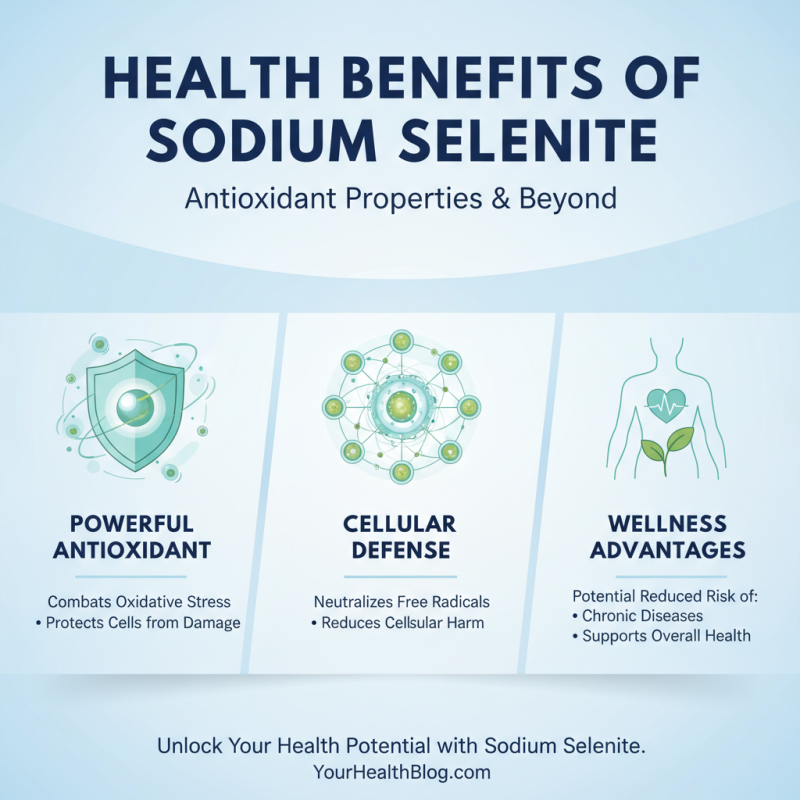
Sodium selenite is gaining attention for its health benefits, particularly its antioxidant properties. Antioxidants are crucial in combating oxidative stress, which can damage cells and contribute to various diseases. Selenite plays a role in neutralizing free radicals, potentially reducing the risk of chronic conditions.
Research suggests that sodium selenite may enhance immune function. It aids in the production of selenoproteins, which are vital for various bodily processes. These proteins support thyroid function and promote metabolic health. However, it’s essential to approach supplementation with caution. Overconsumption may lead to toxicity, which can cause adverse health effects.
Many people still lack sufficient selenium in their diets. This deficiency can affect overall health and wellbeing. While food sources like nuts and seafood can provide selenium, sodium selenite offers an alternative for those struggling to meet their nutritional needs. Individuals should consult healthcare professionals before making changes to their diet or taking supplements.
Regulatory Framework Surrounding Sodium Selenite in Food and Supplements
Sodium selenite plays a pivotal role in the food and supplement industry. It is recognized for its antioxidant properties. Governments worldwide are regulating its use, ensuring safety for consumers. The regulatory frameworks vary from one region to another. Buyers need to understand these guidelines to remain compliant.
In the United States, the FDA has set specific limits on sodium selenite in foods. This ensures that products meet health standards. In Europe, regulations are stricter, requiring approval before use in supplements. Understanding these rules can be challenging, but it is essential for global buyers.
**Tip:** Always check local regulations before importing products containing sodium selenite. Another consideration is sourcing from trusted suppliers. This can enhance product reliability and safety. Each supplier may have different compliance measures. Therefore, consider requesting documentation to verify the product's safety and efficacy.
Why is Sodium Selenite Essential for Global Buyers? - Regulatory Framework Surrounding Sodium Selenite in Food and Supplements
| Region |
Regulatory Body |
Maximum Allowable Limit (mg/kg) |
Common Applications |
Health Benefits |
| North America |
FDA |
0.1 |
Food Fortification, Dietary Supplements |
Antioxidant Properties, Immune Support |
| European Union |
EFSA |
0.15 |
Animal Feed, Supplements |
Thyroid Function, Antioxidant Activity |
| Asia-Pacific |
IFS Food |
0.05 |
Dietary Supplements, Healthcare Products |
Cancer Prevention, Immune Health |
| South America |
ANVISA |
0.2 |
Nutritional Supplements, Animal Nutrition |
Cellular Protection, Heart Health |
Sodium Selenite Supply Chain: Key Producers and Global Distribution Networks
The global supply chain for sodium selenite involves key producers spanning multiple continents. As an essential compound, sodium selenite is widely utilized in agriculture, pharmaceuticals, and various industrial applications. Reports indicate that the demand for selenium compounds is expected to grow at a CAGR of around 4% by 2025. This rise is driven by increased awareness regarding nutritional benefits and deficiencies in selenium.
Several countries dominate sodium selenite production. China leads with over 60% of global output, but other regions like the U.S. and Brazil also contribute significantly. The complexity of the supply chain can pose challenges. For instance, geopolitical factors and environmental regulations may affect availability. Additionally, fluctuations in raw material prices can disrupt consistent sourcing.
Distribution networks are equally crucial. Efficient logistics ensure timely delivery to manufacturers and end-users. However, the reliance on multiple stakeholders can lead to vulnerabilities. For example, transport delays or regulatory changes can influence market stability. Understanding these supply chain dynamics helps global buyers make informed decisions about sourcing sodium selenite effectively.