Best Soy Isoflavones for Global Buyers in 2026?
In the evolving landscape of natural health products, Soy isoflavones stand out for their numerous benefits. Dr. Jennifer Thompson, a leading expert in nutritional biochemistry, states, “Soy isoflavones can play a crucial role in hormonal balance and overall wellness.” As global interest in plant-based solutions rises, so does the demand for high-quality soy isoflavones.
These compounds, primarily found in soybeans, offer a range of health benefits. They are known for their antioxidant properties and potential in managing menopausal symptoms. However, not all soy isoflavones are created equal. Understanding the differences in quality and efficacy is key for consumers.
Despite their popularity, some consumers remain skeptical about soy isoflavones. Concerns regarding sourcing and purity linger. It's essential for buyers to make informed choices. The quest for the best soy isoflavones in 2026 will require diligence. As the market develops, transparency and quality assurance will be paramount.
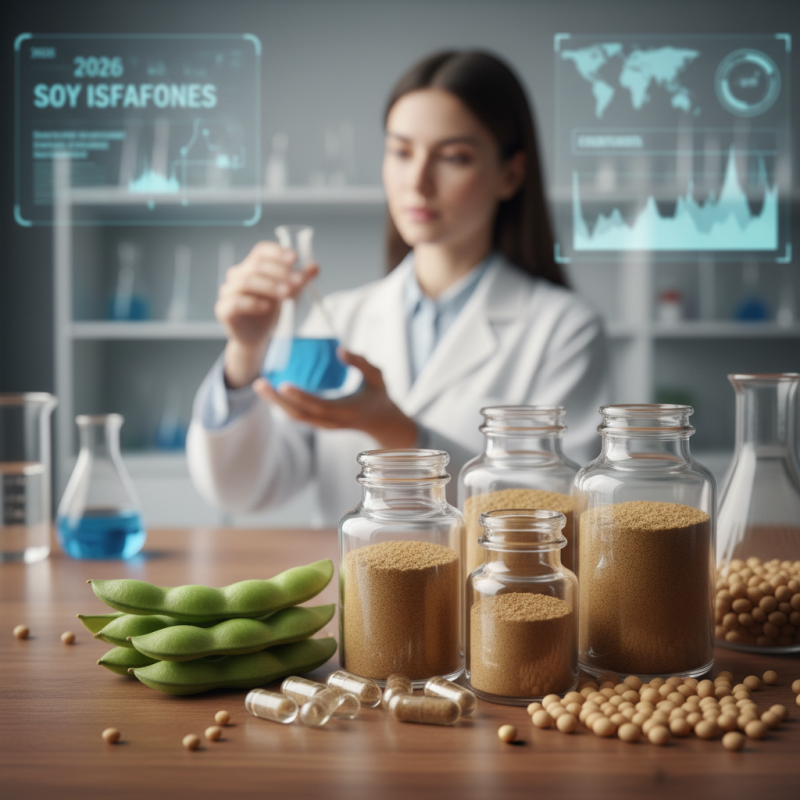
Overview of Soy Isoflavones and Their Benefits
Soy isoflavones are plant compounds found in soybeans. They are known for mimicking estrogen, which has various health benefits. Studies suggest that these compounds may support heart health. They can help manage cholesterol levels, potentially reducing heart disease risks. Additionally, soy isoflavones are associated with alleviating menopausal symptoms, such as hot flashes and mood swings.
The potential of soy isoflavones extends beyond these benefits. Emerging research indicates they may play a role in bone health as well. There is ongoing investigation into their effects on osteoporosis. However, individual responses to isoflavones can vary significantly. Some individuals may not experience notable changes. It is essential to consider personal health factors when integrating them into one's diet.
While many people find soy isoflavones beneficial, skepticism remains. Critics argue about the efficacy and long-term effects of these compounds. More studies are necessary to understand their full impact comprehensively. Balancing soy isoflavones in one’s diet might be a practical approach to explore their potential benefits responsibly.
Best Soy Isoflavones for Global Buyers in 2026? - Overview of Soy Isoflavones and Their Benefits
| Type of Isoflavone |
Source |
Health Benefits |
Recommended Daily Intake (mg) |
Forms Available |
| Genistein |
Soybeans |
Antioxidant, Supports bone health |
50-100 |
Capsules, Powders |
| Daidzein |
Soybeans |
May reduce menopausal symptoms |
50-75 |
Liquid extracts, Tablets |
| Glycitein |
Soy products |
Supports heart health |
20-40 |
Soy milk, Supplements |
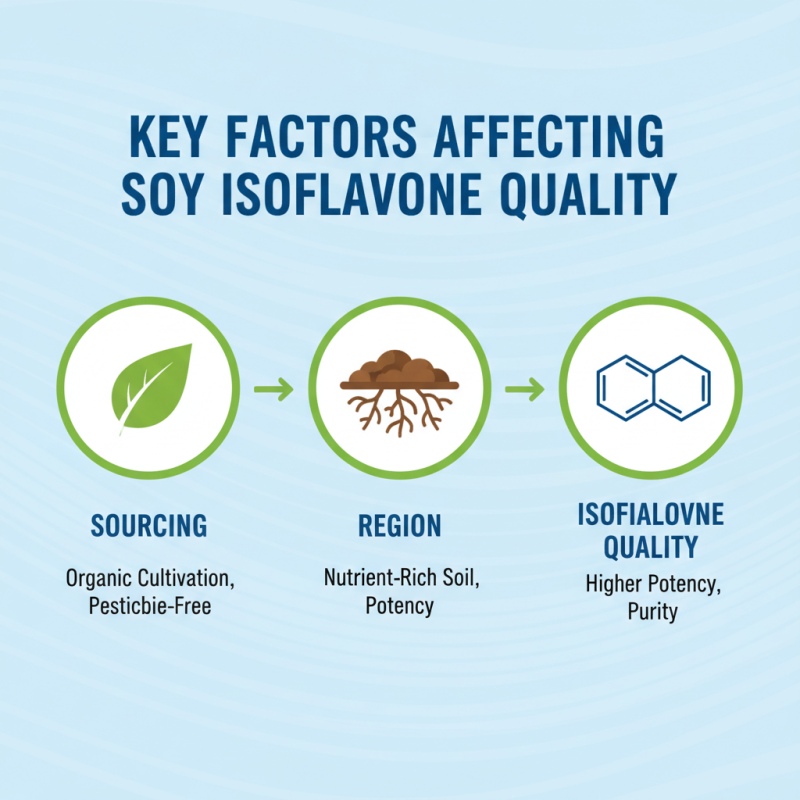
Key Factors Affecting Soy Isoflavone Quality
When considering the quality of soy isoflavones, several key factors come into play. The sourcing of soybeans is critical. Organic cultivation free from pesticides often results in higher quality isoflavones. Region influences the nutrient content as well. For instance, soybeans grown in nutrient-rich soils tend to have more potent isoflavones.
Processing methods are equally important. Techniques like fermentation can enhance the bioavailability of isoflavones. Additionally, extraction methods impact the concentration of beneficial compounds. Some methods preserve more nutrients, while others may strip away vital components. Buyers should look for products that detail their processing methods.
Storage conditions also affect the stability of isoflavones. Exposure to light and heat can degrade their potency. Consumers must check packaging for proper storage instructions. Moreover, batch testing results can provide insights into the quality of the product. Quality assurance from manufacturers adds credibility. Always seek transparency in sourcing and testing practices. This approach ensures a reliable selection of soy isoflavones for various health needs.
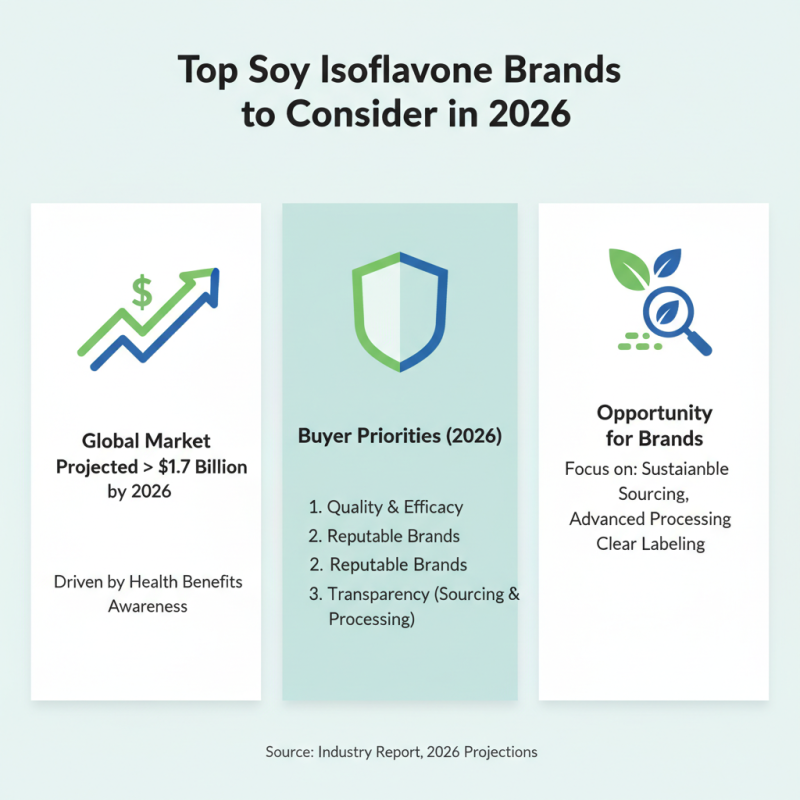
Top Soy Isoflavone Brands to Consider in 2026
As the demand for soy isoflavones continues to rise, buyers in 2026 will seek reputable brands that balance quality and efficacy. A recent industry report projects the global soy isoflavone market to reach over $1.7 billion by 2026, driven by increased consumer awareness of health benefits. This provides an opportunity for brands to focus on transparency in sourcing and processing methods.
In the quest for effective soy isoflavones, potential buyers should look for certification from recognized authorities. Studies highlight that high-quality isoflavones can help support hormone balance and bone health, attracting health-conscious consumers. However, not all products on the market meet these standards. It is crucial to scrutinize labels and product formulations.
While many brands boast impressive statistics about their efficacy, some may lack thorough scientific backing. Diverse research suggests that bioavailability varies significantly, affecting the results. This inconsistency calls for reflection on product selection. Does the brand provide clear information about their extraction methods? Transparency builds trust. Careful evaluation will be key for buyers aiming to navigate this complex landscape in 2026.
Market Trends and Consumer Preferences for Soy Isoflavones
The demand for soy isoflavones is on the rise. According to a recent report by Grand View Research, the global soy isoflavones market is projected to reach $530 million by 2026. This growth reflects a broader trend toward plant-based supplements. Consumer awareness of health benefits plays a significant role in this trend. Many buyers seek natural solutions for menopausal symptoms and bone health.
Market preferences reveal fascinating insights. A Nutritional Insights study found that over 60% of consumers prefer organic sources of soy isoflavones. Transparency and clean labeling influence purchasing decisions. However, there is ongoing confusion about the efficacy of different soy isoflavone forms. Many consumers are unsure whether to choose extracts or whole soy products. This uncertainty can affect market dynamics and consumer trust.
Emerging markets are adapting to these trends. Countries in Asia and Europe are increasingly embracing soy isoflavones. Regional dietary patterns will influence how these products are marketed. Education about the benefits of soy isoflavones remains crucial. Despite the promising outlook, companies must address informational gaps. Many consumers still perceive soy isoflavones with skepticism. Building credibility and addressing misconceptions is key to capturing these market opportunities.
Market Trends for Soy Isoflavones in 2026
The bar chart above illustrates the projected demand for soy isoflavones across different regions in 2026. The Asia-Pacific region shows the highest demand, followed by North America and Europe. This reflects the growing consumer preference for soy isoflavones as health supplements and functional foods.
Sustainability and Sourcing of Soy Isoflavones in Global Markets
The global market for soy isoflavones is evolving, particularly in sustainability and sourcing practices. Increasing demand for plant-based alternatives prompts a shift towards eco-friendly farming methods. Sustainable agriculture focuses on soil health and biodiversity, providing a more resilient approach to soy cultivation. Organic practices can enhance the quality and safety of soy isoflavones, appealing to health-conscious consumers.
Sourcing these compounds raises challenges. Ethical supply chains are crucial for promoting fair labor practices and reducing environmental impact. The complexity of global trade in agricultural products can lead to concerns over traceability. Consumers need assurance that their soy isoflavones are responsibly sourced. Innovations in technology can improve transparency, allowing buyers to track the origin of their ingredients.
As sustainability becomes more prominent, companies must also confront the reality of resource constraints. Climate change affects crop yields, which in turn impacts availability. Producers need to balance the demand for high-quality soy isoflavones with environmental considerations. Ongoing research into alternative sources and extraction methods may offer new solutions, but the journey is still in its early stages. Reflecting on these challenges is essential for the industry's future.