Top Tips for Sourcing Soy Isoflavones Globally?
Soy isoflavones are gaining significant attention in the global health market. These compounds, primarily found in soybeans, are known for their potential benefits in hormone regulation and bone health. According to a recent report by Grand View Research, the global soy isoflavones market is projected to reach USD 1.44 billion by 2027, driven by increasing consumer awareness of plant-based nutrition.
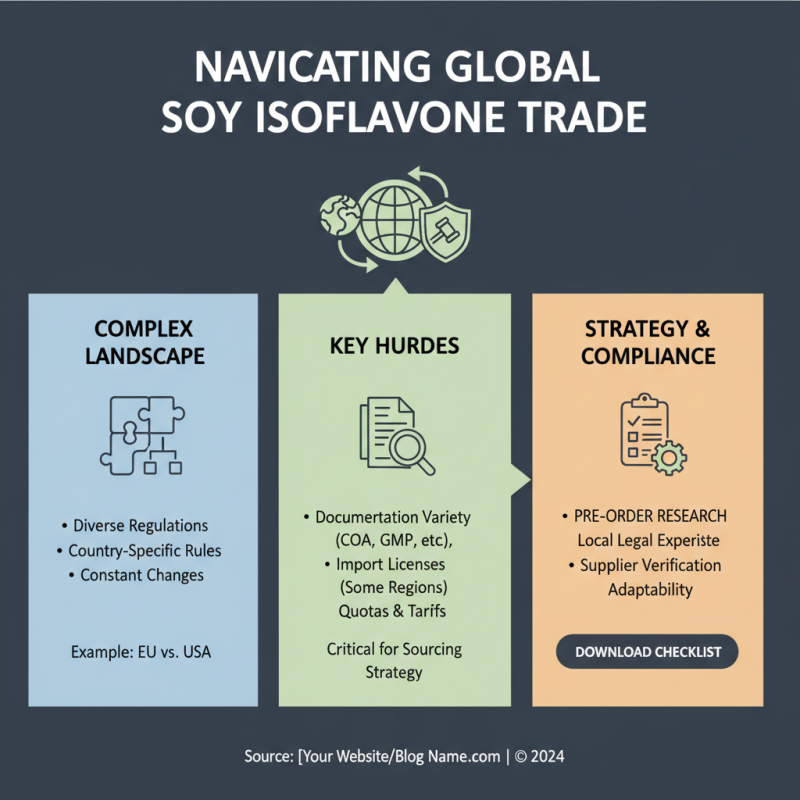
Despite the promising outlook, sourcing high-quality soy isoflavones presents challenges. Issues such as quality control and varying standards across countries can complicate procurement processes. Furthermore, the market is experiencing shifts due to changing regulations and consumer preferences. It’s essential for suppliers and manufacturers to stay informed about these dynamics to ensure a reliable supply chain.
As companies explore sourcing options, they might encounter inconsistencies in product formulations. Not all soy isoflavones are created equal; some may contain higher concentrations than others. This variability can impact both health benefits and marketability. Addressing these factors is crucial for maintaining credibility in the industry. Investing in reliable suppliers and establishing clear quality benchmarks can significantly enhance sourcing strategies.

Understanding Soy Isoflavones: A Global Perspective
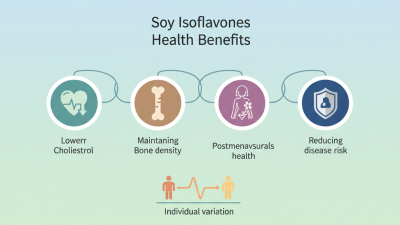
Soy isoflavones have gained international attention due to their health benefits. These compounds, primarily found in soybeans, offer potential advantages such as hormonal balance and heart health support. However, sourcing them globally presents unique challenges. The availability of quality raw materials varies significantly from region to region. Understanding local regulations and sourcing practices is paramount. This can streamline supply chains and enhance reliability.
Many countries produce soy, but not all yield optimal isoflavone levels. Some regions focus on organic sourcing, which may limit availability and increase prices. Communication with local suppliers can provide insights into these variations. Additionally, market demand influences prices. A thorough understanding of market trends is essential when negotiating.
Quality control remains a pressing concern. Testing for purity and potency is vital before finalizing any transactions. This ensures that the sourced isoflavones meet established standards. Familiarity with international quality certifications can mitigate risks. Continuous learning about global sourcing strategies can further enhance purchasing decisions. Remember, a well-informed approach is key to achieving optimal results.
Global Soy Isoflavones Sourcing Trends
Identifying Reliable Suppliers for Soy Isoflavones
Sourcing soy isoflavones globally can be challenging. It's crucial to identify reliable suppliers who meet your standards. Start by researching potential suppliers through online platforms and trade shows. Look for manufacturers with a solid track record in the industry. They should have certifications indicating quality control standards.
Verification is key. Request samples of the product before making a large order. Analyze the purity and concentration of isoflavones. It’s also beneficial to check reviews and feedback from other customers. Engaging in discussions with suppliers can reveal much about their practices. Effective communication can indicate their level of professionalism.
Cultural differences can impact business practices and negotiations. Understanding these can help build stronger relationships. Be prepared to adapt your approach. Not all suppliers will communicate the same way. This requires patience and flexibility. Keep in mind that transparency about sourcing methods can reflect a supplier's reliability. Consider these factors seriously to ensure you make informed decisions.
Evaluating Quality Standards and Certifications
When sourcing soy isoflavones globally, evaluating quality standards and certifications is crucial. The global demand for soy isoflavones is projected to reach $1.5 billion by 2025, according to market research. As this market expands, it's essential to ensure quality and safety in sourcing practices.
Certifications such as Non-GMO, Organic, and ISO 22000 are key indicators of quality. Non-GMO products have seen a 43% increase in consumer preference over the last five years. Choosing suppliers with these certifications can enhance credibility and trust. However, not all certifications are created equal. Some may lack stringent verification processes, posing potential risks.
Additionally, understanding the sourcing country's regulations can provide insights into product integrity. For instance, countries with robust agricultural standards, like the USA and Canada, often produce higher quality soy. Yet, there may be inconsistencies in regional standards. Thus, careful evaluation of suppliers and their certification claims is necessary. Transparency in the supply chain is not just a trend; it is a demand.
Top Tips for Sourcing Soy Isoflavones Globally
| Criteria |
Description |
Importance Level |
| Source Verification |
Check the origin of soybeans; ensure they come from non-GMO sources. |
High |
| Quality Certifications |
Look for certifications such as ISO 22000, HACCP, and organic certificates. |
Medium |
| Testing and Analysis |
Ensure the product undergoes third-party testing for efficacy and purity. |
High |
| Supplier Reputation |
Research supplier reviews and history in the industry. |
High |
| Price Analysis |
Compare pricing from different suppliers while considering quality. |
Medium |
Sourcing Strategies for Cost-effective Procurement
Sourcing soy isoflavones globally involves various strategies for cost-effective procurement. Understanding the landscape of suppliers is essential. Engage with producers directly to build relationships. This can lead to better pricing and reliable supply chains. Consider attending industry trade shows to connect with potential partners. Face-to-face discussions often foster trust and transparency.
Leverage technology to streamline the procurement process. Use online platforms to compare suppliers and track market trends. However, be cautious of the sheer volume of data. Not all information is relevant or accurate. Conduct thorough research to verify supplier reputations. Additionally, consider sourcing from multiple regions. This diversification can minimize risks related to market fluctuations.
Keep in mind the importance of quality assurance. Not all suppliers maintain the same standards. Regular audits may be necessary to ensure compliance with your specifications. Reflect on your sourcing practices periodically. Identify areas of improvement to enhance efficiency and reduce costs. A proactive approach often leads to better outcomes in sourcing soy isoflavones.