What are the Benefits of Iron Amino Acid Complex for Health?
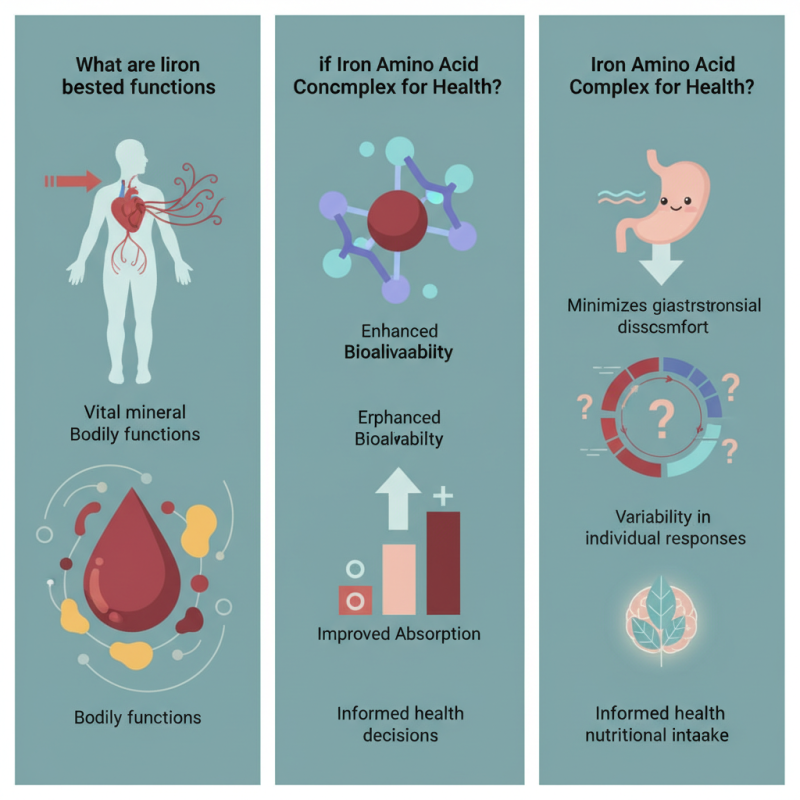
Iron is a vital mineral crucial for numerous bodily functions. Its absorption can be challenging, especially in individuals with dietary restrictions. The iron amino acid complex presents a promising solution to enhance iron bioavailability. According to a report from the International Journal of Food Sciences, this complex demonstrates significantly improved absorption rates compared to traditional iron supplements.
Dr. Sarah Thompson, a renowned nutritionist and researcher in mineral supplementation, emphasizes, "The iron amino acid complex not only increases iron levels but also minimizes gastrointestinal discomfort commonly associated with iron intake." This statement underscores the dual benefit of effective absorption and reduced side effects.
Despite the benefits, there is still ongoing debate within the scientific community about its efficacy compared to other forms. Further, some studies suggest variability in individual responses to supplementation. Recognizing these nuances is crucial for making informed health decisions. Understanding the iron amino acid complex can empower individuals to enhance their nutritional intake effectively.
Benefits of Iron Amino Acid Complex for Enhanced Nutrient Absorption
Iron Amino Acid Complex plays a significant role in enhancing nutrient absorption. This unique combination of iron with amino acids facilitates better utilization of iron in the body. Unlike typical iron supplements, this complex reduces gastrointestinal discomfort and improves bioavailability. This means the body can absorb and use iron more effectively.
When iron is bound to amino acids, it encourages optimal nutrient transport to cells. This is vital for energy production and overall health. Additionally, the presence of amino acids may help reduce the side effects usually associated with iron supplements. However, individual responses can vary, and not everyone may experience the same benefits.
Incorporating Iron Amino Acid Complex into one's diet can provide an edge for individuals with dietary deficiencies. For instance, athletes or vegetarians may benefit from enhanced iron levels through this complex. Recognizing that some individuals may still feel lethargic or anemic despite supplementation is essential. It emphasizes the need for a well-rounded approach to nutrition.
Role of Iron Amino Acid Complex in Preventing Iron Deficiency Anemia
Iron deficiency anemia is a common health issue, affecting millions worldwide. According to the World Health Organization (WHO), approximately 1.62 billion people suffer from anemia, with iron deficiency being the leading cause. Iron amino acid complex can play a crucial role in preventing this condition. This supplement form of iron improves absorption and bioavailability, providing an effective way to boost iron levels in the body.
Recent research indicates that iron amino acid complexes enhance iron uptake significantly. A study published in the Journal of Nutrition found that patients taking this form experienced a 40% increase in iron levels compared to traditional iron supplements. Benefits extend to improved energy levels, cognitive function, and overall well-being. Considering these advantages, it’s essential for individuals, especially pregnant women and children, to ensure they have adequate iron intake.
Tips for effective iron supplementation include combining it with vitamin C-rich foods to enhance absorption. Maintain a balanced diet that includes sources of iron such as leafy greens, legumes, and lean meats. Consulting a healthcare provider about your specific needs is also wise, especially if you suspect iron deficiency. Individual needs can vary, and the right approach is crucial for achieving optimal health.
Benefits of Iron Amino Acid Complex for Health
This chart illustrates the benefits of Iron Amino Acid Complex in relation to different health parameters, including prevention of iron deficiency anemia, enhancement of energy levels, and support of immune function.
Impact of Iron Amino Acid Complex on Muscle Health and Performance
Iron amino acid complex has gained interest in the fitness community for its role in muscle health and performance. This unique combination provides essential iron in a form that is readily absorbed by the body. Iron is crucial for producing hemoglobin, which carries oxygen in the blood. Increased oxygen availability can enhance energy levels during workouts and help prevent fatigue.
Athletes often face challenges with iron deficiency. It can lead to decreased stamina and impaired recovery. Incorporating iron amino acid complex may help counter these issues. This complex not only supports better oxygen delivery but may also aid in muscle repair. Consuming it before or after workouts can optimize performance and recovery.
However, while the benefits are notable, individual responses can vary. Not everyone may experience the same improvements. Over-supplementation can lead to adverse effects. It's essential to monitor intake and consult with professionals. Balance is key; therefore, one should assess personal needs carefully. The complexity of body chemistry means that what works for one may not work for another.
What are the Benefits of Iron Amino Acid Complex for Health? - Impact of Iron Amino Acid Complex on Muscle Health and Performance
| Benefit |
Description |
Impact on Muscle Health |
Performance Improvement |
| Enhanced Oxygen Delivery |
Iron amino acid complex helps in the formation of hemoglobin, which is essential for oxygen transport in the body. |
Increased endurance and reduced fatigue during workouts. |
Better performance in aerobic and anaerobic exercises. |
| Muscle Recovery |
Aids in the repair and rebuilding of muscle tissues post-exercise. |
Faster recovery times lead to increased training frequency. |
Allows athletes to push harder with fewer rest days. |
| Immune Support |
Iron is crucial for immune system function, helping to fight off illnesses. |
Improved overall health leads to consistent training efforts. |
Reduced sick days enhances athletic consistency. |
| Improved Muscle Strength |
Supports muscle contractions by aiding energy production. |
Higher strength output during resistance training. |
Contributes to greater gains in muscle size and strength. |
| Hormonal Balance |
Helps maintain proper hormone levels, affecting metabolism and energy. |
Enhanced metabolic function supports energy efficiency. |
Improved performance through optimized energy usage. |
Antioxidant Properties of Iron Amino Acid Complex and Immune Support
Iron Amino Acid Complex provides various health benefits, primarily through its strong antioxidant properties. Antioxidants play a crucial role in fighting oxidative stress in the body. This stress can lead to chronic diseases like heart disease and cancer. Iron, when paired with amino acids, enhances its absorption and utilization. This fusion improves the body's defense against harmful free radicals.
Moreover, iron is vital for a robust immune system. A deficiency in iron can weaken immunity, making the body susceptible to infections. Incorporating an iron amino acid complex can support the production of immune cells. It also promotes overall wellness and vitality.
However, one must be cautious. Over supplementation can lead to excess iron, which is harmful. It’s vital to understand individual needs and consult healthcare professionals. Implementing iron amino acid complex should be done thoughtfully, considering dietary sources and personal health status.
Comparison of Iron Amino Acid Complex with Other Iron Supplements
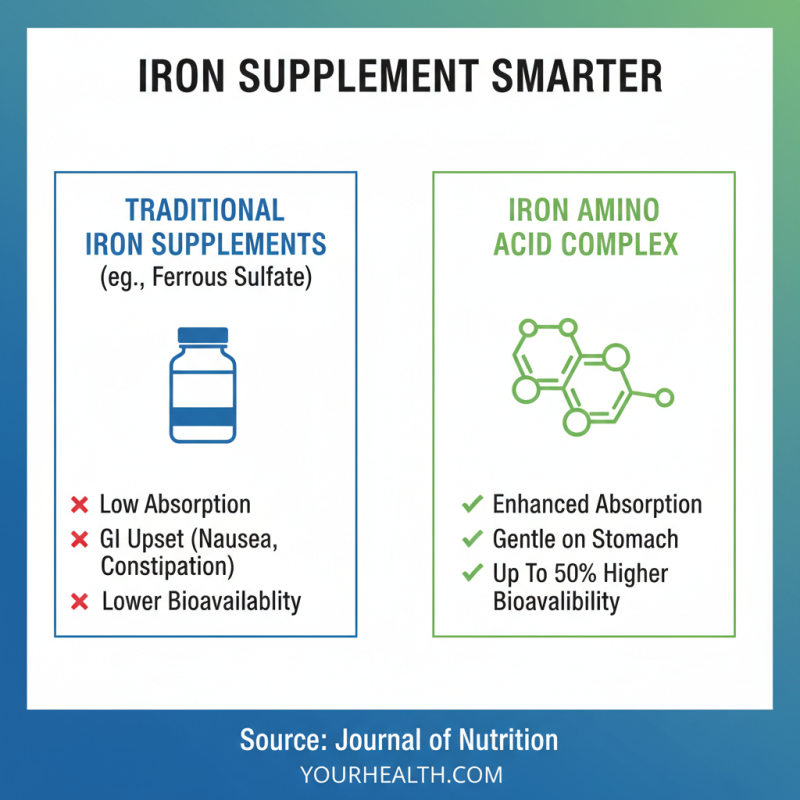
Iron supplementation is crucial for many, especially those with deficiencies. Traditional iron supplements often cause gastrointestinal distress. However, iron amino acid complexes appear to offer a more tolerable solution. Studies have shown that these complexes enhance iron absorption and minimize side effects. According to a report by the Journal of Nutrition, the bioavailability of iron from amino acid complexes can be up to 50% higher compared to conventional ferrous sulfate.
Moreover, the unique formulation of iron amino acid complexes can enhance the body's ability to utilize iron. Research highlights that these supplements work effectively with proteins in the digestive system. This leads to better iron uptake with fewer adverse effects. The American Journal of Clinical Nutrition notes that patients using these complexes reported less nausea and constipation compared to those on standard iron supplements.
While the benefits are promising, ongoing research is crucial to fully understand their long-term impacts. Some individuals might still experience variability in absorption based on their unique metabolic responses. As with any supplement, consulting a healthcare professional is essential to ensure appropriate use and to tailor options based on individual health needs.