Top Food Attractants to Boost Your Business in 2026?
In the ever-evolving food industry, understanding consumer preferences is paramount. As we approach 2026, innovative food attractants are set to play a vital role in enhancing business growth. Renowned food industry expert Dr. Sarah Hudson emphasizes, "Food attractants are not just trends; they shape our eating experiences." This insight reflects the increasing necessity to adapt to consumer desires.
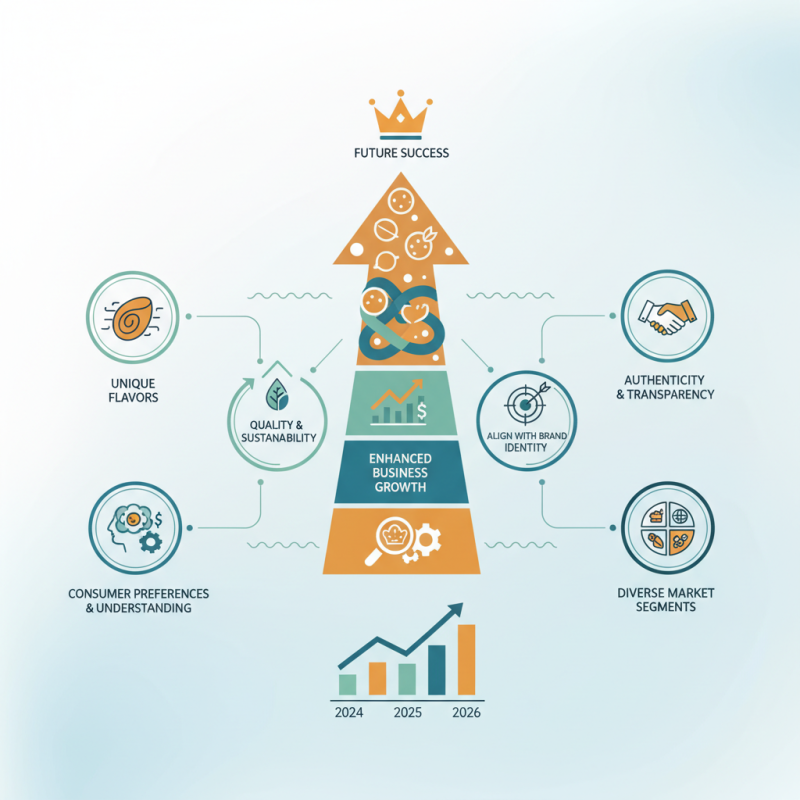
Food attractants can elevate products by creating unique flavors and appealing aromas. Businesses must focus on quality and sustainability to resonate with modern consumers. An effective food attractant doesn't just draw attention; it leaves a lasting impression. However, not every attractant can guarantee success. Each market segment has diverse expectations, and it requires careful consideration to select the right ingredients.
The challenge lies in choosing attractants that align with brand identity. With so many options, businesses must reflect on their strategies. Are they keeping pace with emerging trends? Authenticity and transparency should remain at the forefront of product development. A misstep here could lead to customer distrust. By understanding the role of food attractants, companies can better position themselves for future growth and success.
Emerging Trends in Food Attractants for 2026
In 2026, the food attractants market is evolving rapidly. According to a recent market report by Grand View Research, the global market for food attractants is projected to reach $30 billion by 2026, driven by innovation and changing consumer demands. One notable trend is the increasing use of natural ingredients. Consumers are becoming more health-conscious, leading businesses to explore plant-based and non-GMO attractants.
The rise of sustainability is another influential factor. A Nielsen report highlighted that
73% of consumers prefer eco-friendly products. Using biodegradable attractants can enhance brand loyalty and attract new customers.
Tip: Focus on sourcing local ingredients. This practice not only supports local economies but also resonates with environmentally aware consumers.
The demand for versatility in attractants is increasing. Companies are experimenting with flavor combinations to cater to diverse palates. It is important to
stay updated with food trends. A study from Mintel indicated that unique flavor profiles are gaining popularity and can differentiate your brand.
Tip: Collaborate with food scientists or chefs to create innovative recipes. Engaging experts can enhance credibility and lead to exciting product launches.
While opportunities abound, businesses must remain open to feedback.
Consumer preferences can change quickly, potentially impacting sales. Engaging with your audience can provide insightful data and help refine offerings.
Innovative Ingredients Reshaping Food Attraction Strategies
The realm of food attractants is evolving rapidly. Innovative ingredients are key to reshaping attraction strategies. Chefs and food developers are exploring unique flavor profiles. They are harnessing the power of unexpected combinations. For instance, the fusion of savory and sweet can create memorable dishes. This trend not only excites diners but also attracts new clientele.
Plant-based ingredients are gaining traction. They appeal to health-conscious consumers and eco-friendly diners. Integrating these components can elevate dishes while adhering to sustainability. However, balancing taste and nutrition remains a challenge. Some plant-based options may lack the depth of flavor needed to please discerning palates. Experimentation will be necessary to strike the right chord.
Incorporating local and seasonal ingredients presents another opportunity. Fresh herbs and vegetables tantalize taste buds and support local economies. This approach fosters a connection between diners and their food. Yet, reliance on seasonality may lead to inconsistency. Restaurants might struggle to maintain iconic dishes throughout the year. Thus, flexibility in menu design is crucial for long-term success.
Consumer Preferences: What Drives Food Choices in 2026
Consumer preferences are rapidly evolving, profoundly impacting food choices in 2026. Sustainability stands at the forefront. Many consumers now prioritize eco-friendly options. They look for foods that reflect their values. This demand for transparency often forces brands to rethink their sourcing and production methods.
Health consciousness also plays a vital role. People increasingly prefer natural, nutrient-dense foods. Plant-based diets are gaining traction. They appeal to those seeking healthier lifestyles. However, the challenge lies in balancing taste and nutrition. Not all plant-based options meet these expectations. Companies must navigate this tension carefully.
Another significant factor is convenience. Busy lifestyles drive consumers toward quick meal solutions. Ready-to-eat, nutritious meals are becoming popular. Online shopping for groceries is on the rise. The ease of access influences food choices greatly. However, reliance on convenience can lead to unhealthy habits. This raises questions about long-term impacts on consumer health and wellness.
Top Food Attractants to Boost Your Business in 2026
| Food Category |
Top Attractants |
Consumer Preference (%) |
Health Focus (%) |
Sustainable Sourcing (%) |
| Plant-Based Products |
Flavor Variety |
65 |
85 |
75 |
| Meat and Dairy Alternatives |
Texture and Taste |
70 |
78 |
68 |
| Snacks |
Healthy Ingredients |
60 |
72 |
70 |
| Beverages |
Natural Sweeteners |
55 |
80 |
60 |
| Agricultural Products |
Local Sourcing |
50 |
65 |
85 |
Sustainable Practices in Food Attractants for Modern Businesses
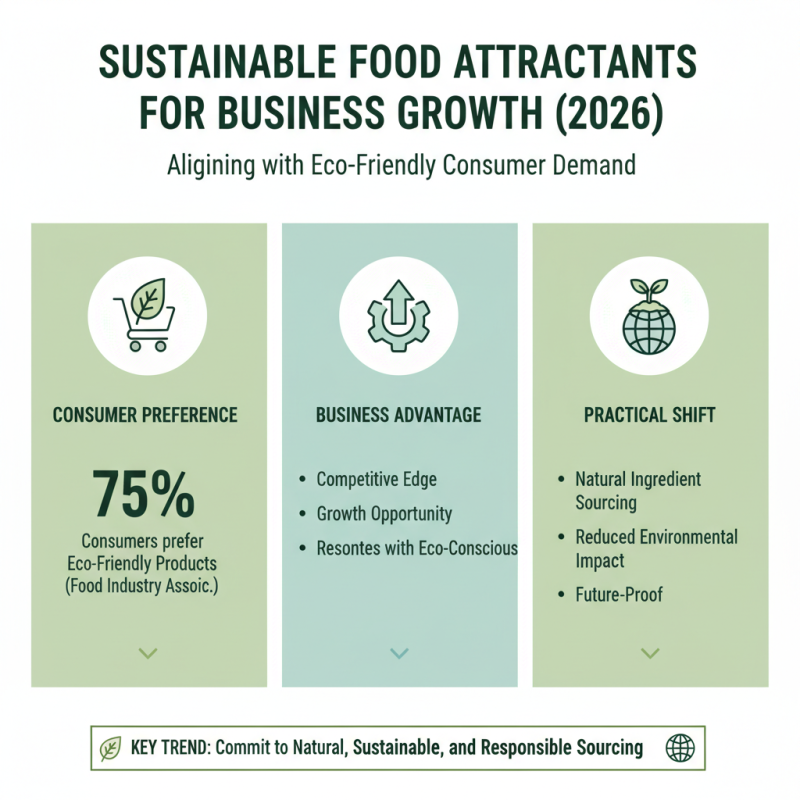
In 2026, sustainable practices in food attractants are crucial for modern businesses aiming for growth. Data from the Food Industry Association indicates that 75% of consumers prefer eco-friendly products. Businesses that align with this trend gain a competitive edge. They enable a shift towards sourcing natural ingredients. This move resonates with consumers who are increasingly concerned about their environmental impact.
The integration of sustainable practices extends beyond sourcing. It involves reducing waste and using environmentally friendly packaging. For instance, an industry report highlights that companies adopting biodegradable materials see a 20% increase in customer loyalty. However, the implementation can be challenging. Many businesses struggle with costs and operational changes. It requires innovation and investment, which may not yield immediate results.
Moreover, transparency is key. Customers demand to know where their food comes from. According to a survey by the Sustainable Food Trust, 68% of customers want brands to disclose their sourcing practices. This can be a double-edged sword. While genuine transparency builds trust, any misleading information can damage a brand's reputation. Thus, businesses must approach sustainable practices thoughtfully.
Case Studies: Successful Implementation of Food Attractants in 2026
In 2026, food attractants are revolutionizing the food industry, drawing more customers to businesses. One case study from a bustling city showed a 30% increase in foot traffic after implementing scent marketing. The aroma of freshly baked goods wafted through the streets, enticing passersby. This simple method boosted sales significantly, highlighting how sensory experiences can enhance consumer engagement.
Another example involves a local café that introduced visually appealing food displays. This led to a 25% rise in social media shares and customer visits. People are naturally drawn to beautifully arranged dishes. Colors and presentations matter immensely in attracting customers. Engaging visuals can lead to higher sales and brand recognition.
Tips: Experiment with different sensory techniques. Consider scents, sights, and even sounds. Test various combinations to find what resonates best with your audience. Regularly reassess your strategies. Adaptation is key to staying relevant in an evolving market. Focus on creating engaging experiences, not just meals. Embrace creativity to captivate the senses.