2026 Top Benefits of Organic Selenium for Global Buyers?
Organic selenium is gaining traction among global buyers for its remarkable health benefits. This trace mineral plays a crucial role in various bodily functions. It is known for its antioxidant properties, supporting immune health and reducing inflammation. People often underestimate its significance in daily nutrition.
The demand for organic selenium has increased as awareness of its advantages spreads. Many nutritionists advocate for its inclusion in diets for enhanced well-being. However, sourcing high-quality organic selenium can be challenging. Buyers must ensure that their products are reliable and meet safety standards. Some may offer misleading claims about the benefits. It’s essential to research available options thoroughly.
Choosing organic selenium should be based on credible information. Consumers should seek expert opinions and verified studies. Reflecting on the sources of these supplements is vital. Transparency and quality control are crucial for ensuring the benefits are realized. As buyers navigate this market, they must remain vigilant to make informed choices.
Introduction to Organic Selenium: Definition and Importance
Organic selenium is a vital trace mineral essential for numerous biological processes. It plays a crucial role in antioxidant defense, thyroid function, and immune system support. According to the National Institutes of Health, selenium is necessary for the production of selenoproteins, which are critical for various metabolic pathways. A deficiency in selenium can lead to serious health issues, including increased risk of infections and lower metabolic rates.
Research highlights the importance of organic selenium in enhancing human health. A study published in the Journal of Nutrition found that organic selenium significantly boosts antioxidant activity compared to inorganic forms. Notably, organic selenium compounds are more bioavailable and are used efficiently by the body. This means that consumers seeking health supplements should prioritize organic sources to maximize benefits.
The global demand for organic selenium is rising, driven by its health advantages. The global market for selenium was valued at approximately $300 million in 2020, with growth projected at a CAGR of 8% from 2021 to 2028. This trend indicates a growing awareness of the importance of nutrition and the role of organic minerals. However, challenges remain in sourcing high-quality organic selenium, making it imperative for buyers to ensure credibility and reliability in their selections.
2026 Top Benefits of Organic Selenium for Global Buyers
| Benefit |
Description |
Source |
Recommended Dosage |
| Antioxidant Properties |
Helps combat oxidative stress and reduce cellular damage. |
Health Journals |
55-200 mcg/day |
| Thyroid Function Support |
Essential for the synthesis of thyroid hormones. |
Endocrinology Reviews |
55-75 mcg/day |
| Immune System Boost |
Enhances immune responses and helps in disease prevention. |
Nutrition Reviews |
55-60 mcg/day |
| Mood Regulation |
Linked to mood stabilization and reducing anxiety levels. |
Psychological Studies |
55 mcg/day |
| Cardiovascular Health |
May help reduce inflammation and improve heart health. |
Cardiology Research |
55-100 mcg/day |
Nutritional Benefits of Organic Selenium for Human Health
Organic selenium plays an essential role in human health. This trace mineral is known for its
powerful antioxidant properties. Antioxidants combat oxidative stress in the body, which can lead to chronic diseases. Research suggests that adequate selenium intake can support
immune function and enhance thyroid health. A well-functioning thyroid ensures
metabolic balance and overall vitality.
Tips: Consider incorporating selenium-rich foods into your diet. Foods like Brazil nuts, fish, and whole grains can boost your selenium levels. Balance is key;
too much selenium may cause adverse effects. Regular check-ups can help you monitor your levels effectively.
The nutritional benefits of selenium extend beyond immunity. It aids in maintaining heart health and reducing inflammation. Some studies indicate that organic selenium may play a role in
cancer prevention. However, the evidence is not entirely conclusive. It's important to approach
supplementation with caution. Always consult healthcare professionals for personalized advice.
Tips: When choosing supplements, look for organic sources. Verify the purity and quality of the product. It's easy to overlook the importance of this vital mineral in your daily intake.
Make informed choices to retain your well-being.
Sources of Organic Selenium: Natural Environments and Supplements
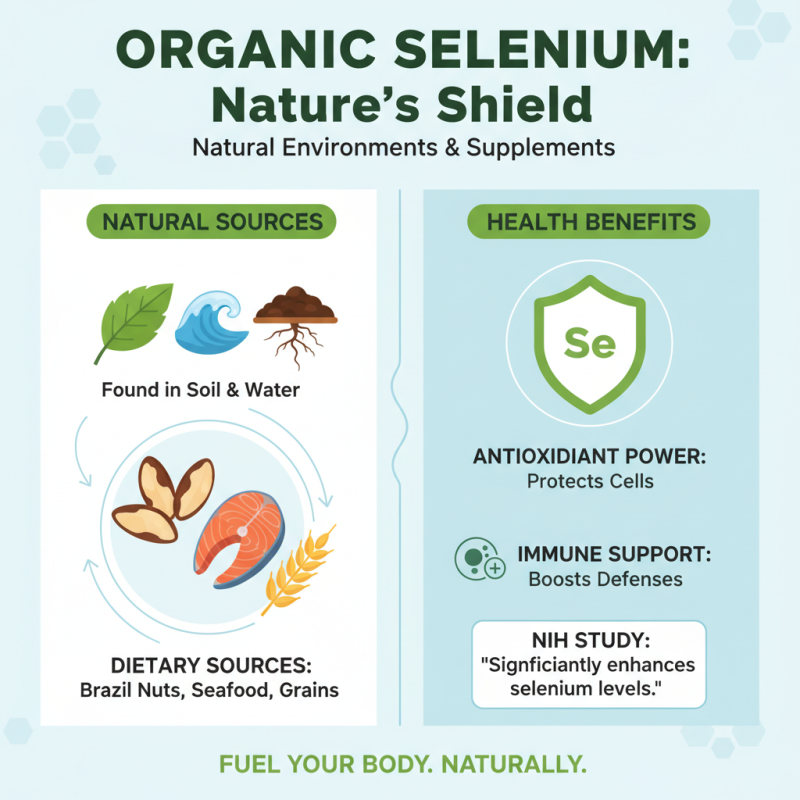
Organic selenium has gained attention for its numerous health benefits. It is a vital nutrient, known for its antioxidant properties and role in supporting immune function. Sourced from natural environments, like soil and water, organic selenium is prominently found in specific foods. Common dietary sources include Brazil nuts, seafood, and grains. A study by the National Institutes of Health indicates that these foods can significantly enhance selenium levels in the body, often exceeding the required daily intake.
Supplements offer another avenue for obtaining organic selenium. They come in various forms, such as selenomethionine and sodium selenite, both recognized for their bioavailability. However, not all supplements are equally effective. Research from the Journal of Nutrition warns that excessive selenium intake may lead to toxicity, highlighting the need for balanced supplementation. Using these supplements responsibly can yield positive effects on overall health when combined with a varied diet rich in natural sources of organic selenium. Awareness of proper dosage is essential to maximize benefits and avoid potential risks.
Global Demand Trends for Organic Selenium Products
Global demand for organic selenium products is on the rise. Various reports indicate a growing awareness of selenium's health benefits. According to a recent market analysis, the global selenium market is projected to reach $600 million by 2026. This reflects a compound annual growth rate (CAGR) of about 4.5% since 2021. The increasing health consciousness among consumers drives this demand.
Farmers and manufacturers recognize the value of organic selenium in improving livestock health and crop productivity. Selenium enhances immune function and contributes to overall well-being. The rise in organic farming practices directly correlates with this trend. However, the supply chain can be complex. Environmental factors, extraction methods, and regulatory hurdles may affect availability.
Tips: When sourcing organic selenium, evaluate suppliers thoroughly. Look for comprehensive certifications and reviews. Demand transparency about sourcing practices. Monitoring prices is also essential, as fluctuating demand can lead to unexpected cost changes. This way, global buyers can make informed purchasing decisions.
Sustainability and Environmental Impact of Organic Selenium Production
The production of organic selenium holds significant promise for sustainability. As a trace mineral, selenium is vital for human health and environmental balance. Organic production methods reduce reliance on synthetic chemicals, benefiting soil health and biodiversity. Farmers can adopt techniques that enhance ecosystems, leading to improved water quality.
However, challenges persist. Some organic farming practices may still impact land use. Deforestation for agricultural expansion can lead to habitat destruction. A careful approach is necessary to mitigate these effects. The sourcing of organic selenium must prioritize eco-friendly methods. This means assessing the entire supply chain.
Transparency within the market is essential. Buyers should seek information about production practices. Understanding the environmental footprint can guide purchasing decisions. Collaborative efforts among suppliers can enhance organic selenium’s positive impact. Consumers are increasingly aware of sustainability; they demand more accountability from producers. Continuous improvement remains crucial for minimizing environmental harm.