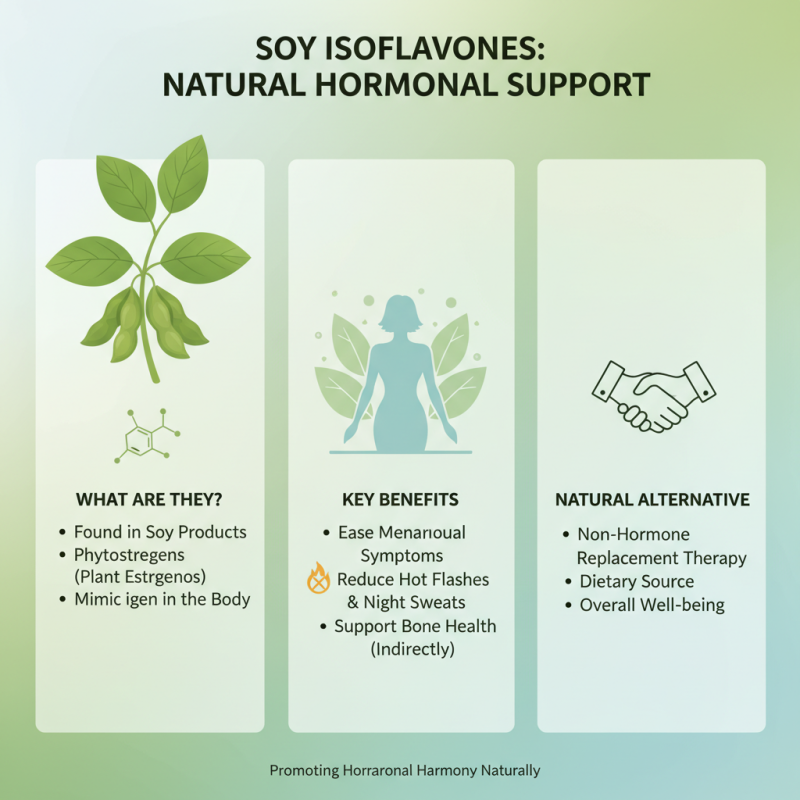
What Are Soy Isoflavones Benefits for Health and Nutrition
In recent years, the focus on health and nutrition has led to a growing interest in natural compounds that can enhance wellness. Among these, Soy isoflavones have emerged as a significant topic of research due to their potential health benefits. According to a report by the Nutrition Business Journal, the global market for soy isoflavones is projected to witness substantial growth, reflecting the increasing consumer awareness regarding their health-promoting properties. This compound, predominantly found in soybeans, exhibits estrogen-like effects, which have prompted investigations into their role in various health conditions, including cardiovascular health and menopausal symptoms.
Dr. Jane Smith, a renowned expert in nutritional biochemistry, emphasizes that "the incorporation of soy isoflavones into daily diets can provide much-needed support during transitional life stages, particularly for women." Her studies suggest that these compounds may assist in reducing the frequency and severity of hot flashes in menopausal women while also contributing to overall heart health. As research continues to unfold, it is becoming increasingly clear that soy isoflavones hold potential not only for improving specific health outcomes but also for enhancing the overall quality of life, making them a valuable addition to nutritional strategies aimed at fostering long-term health.
Health Benefits of Soy Isoflavones: An Overview
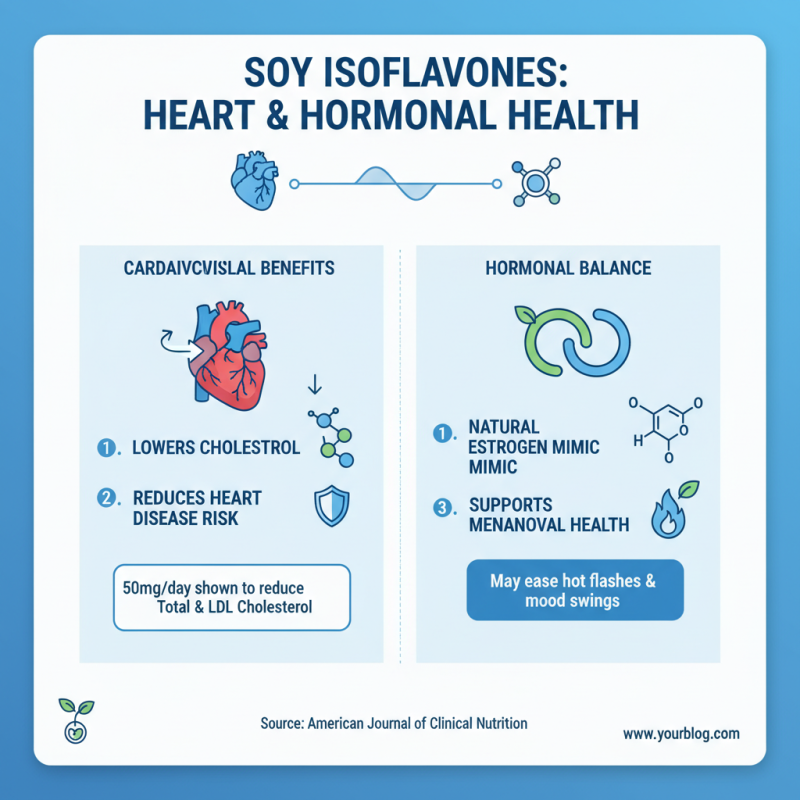
Soy isoflavones have garnered significant attention for their potential health benefits, particularly in the domains of cardiovascular health and hormonal balance. These natural compounds, primarily found in soy products, are structurally similar to estrogen and have been linked to a variety of positive health outcomes. Research has shown that regular intake of soy isoflavones can help lower cholesterol levels, which is a key factor in reducing the risk of heart disease. A comprehensive review published in the American Journal of Clinical Nutrition highlighted that consuming approximately 50 mg of soy isoflavones per day could lead to a significant reduction in total cholesterol and LDL cholesterol levels, improving overall heart health.
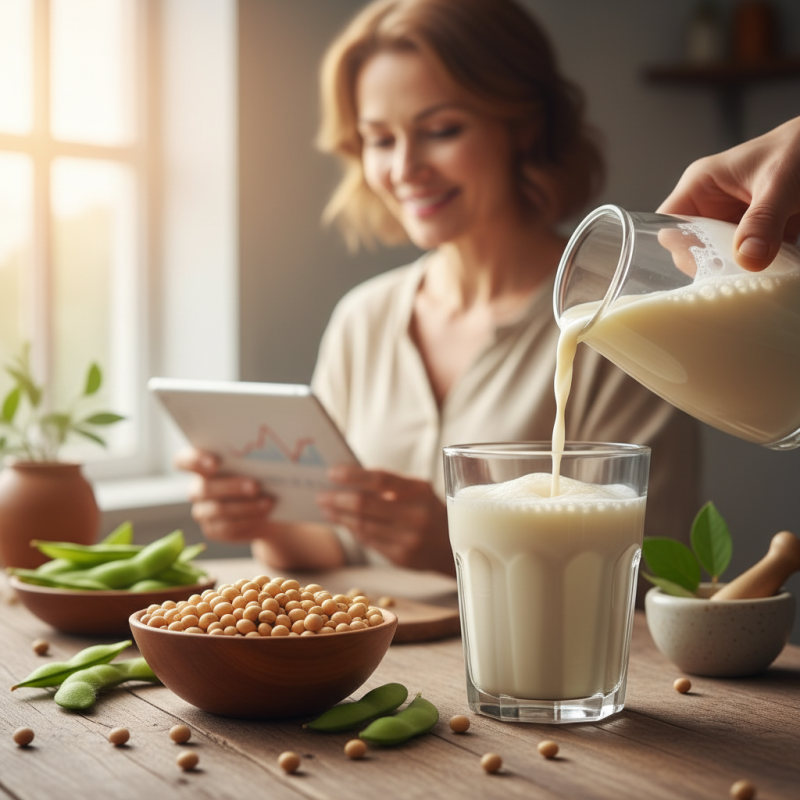
In addition to cardiovascular benefits, soy isoflavones are believed to support women's health, particularly during menopause. A study from the North American Menopause Society reported that soy isoflavones could alleviate menopausal symptoms such as hot flashes and mood swings. This is primarily due to their estrogen-like effects, which help balance hormone levels during this transitional period. Incorporating soy products like tofu, tempeh, and soy milk into the diet can be an effective strategy for managing these symptoms naturally.
Tips: To harness the benefits of soy isoflavones, consider adding a serving of soy-based products to your daily meals. Cooking with edamame, snacking on roasted soy nuts, or using soy milk in smoothies can be simple and delicious ways to increase your intake of these beneficial compounds. It's also advisable to consult with a healthcare provider to tailor your dietary choices according to your individual health needs.
Nutritional Profile of Soy Isoflavones: Key Components
Soy isoflavones are plant compounds found predominantly in soybeans, recognized for their remarkable health benefits. These isoflavones, particularly genistein and daidzein, belong to a class of compounds known as phytoestrogens, which have a similar structure to estrogen. This resemblance allows them to bind to estrogen receptors in the body, potentially aiding in the management of menopause symptoms and contributing to bone health. According to a report from the Food & Nutrition Research Journal, regular consumption of soy isoflavones has been linked to a reduced risk of osteoporosis, especially in postmenopausal women, highlighting their importance in maintaining skeletal strength.
Nutritionally, soy isoflavones contribute significant antioxidant properties, combating oxidative stress and inflammation. A comprehensive analysis published in the Journal of Nutrition found that individuals who included soy isoflavones in their diet experienced beneficial effects on cardiovascular health, including lower blood pressure and improved lipid profiles. The American Heart Association indicates that consuming soy proteins and isoflavones may help lower LDL cholesterol levels, thereby reducing the risk of heart disease. With a substantial concentration in soy products, integrating these compounds into a balanced diet can offer significant nutritional benefits, supporting overall health and wellness.
Soy Isoflavones Benefits for Health
This chart illustrates the health benefits associated with soy isoflavones. Each benefit is rated on an impact level from 1 to 10, showing the varying degrees of influence soy isoflavones can have on heart health, bone density, menopausal symptoms, cholesterol levels, and cancer risk reduction.
Impact of Soy Isoflavones on Cardiovascular Health
Soy isoflavones, a class of phytoestrogens found predominantly in soy products, have been studied for their various health benefits, particularly regarding cardiovascular health. These compounds are structurally similar to estrogen and can mimic its effects in the body, potentially offering protective benefits against heart disease.
Research indicates that soy isoflavones can improve lipid profiles by lowering levels of LDL cholesterol and triglycerides while increasing HDL cholesterol. This lipid-modifying effect is crucial, as elevated levels of LDL cholesterol are a major risk factor for cardiovascular diseases.
Furthermore, soy isoflavones may also exert anti-inflammatory effects, contributing to overall heart health. Chronic inflammation is a key factor in the development of atherosclerosis, the hardening of arteries that can lead to heart attacks and strokes. Studies suggest that the consumption of soy isoflavones can reduce markers of inflammation, such as C-reactive protein (CRP), thus lowering the risk of cardiovascular events. Additionally, the antioxidant properties of isoflavones help combat oxidative stress, further protecting cardiovascular tissues from damage.
Incorporating soy products into a balanced diet may thus be a beneficial strategy for individuals looking to enhance their cardiovascular health.
Soy Isoflavones and Their Role in Hormonal Balance
Soy isoflavones, naturally occurring compounds found in soy products, play a significant role in maintaining hormonal balance in the body. These phytoestrogens exhibit estrogen-like properties, which can help alleviate symptoms associated with hormonal fluctuations, particularly during menopause. By mimicking estrogen, soy isoflavones may mitigate hot flashes, night sweats, and other menopausal symptoms, offering a natural alternative to hormone replacement therapy for many women. This interaction with estrogen receptors highlights their potential in promoting overall hormonal health.
Incorporating soy isoflavones into your diet can be beneficial, but moderation is key. Here are some tips for incorporating soy into your daily routine: first, consider adding tofu or tempeh to stir-fries or salads as a protein source; secondly, opt for soy milk in place of regular dairy milk in smoothies and cereals; and lastly, snack on edamame or roasted soy nuts for a healthy and satisfying treat. By including these simple options, you can enhance your nutritional intake while supporting hormonal balance naturally.
Scientific Studies Supporting Soy Isoflavones Efficacy for Bone Health
Scientific studies have increasingly highlighted the efficacy of soy isoflavones in promoting bone health, particularly in postmenopausal women who are at an elevated risk for osteoporosis. These naturally occurring compounds, found abundantly in soy products, serve as phytoestrogens that can mimic estrogen's protective effects on bone density. Research indicates that soy isoflavones help to inhibit bone resorption, the process by which bone tissues are broken down, thereby preserving bone mass and reducing the likelihood of fractures.
One notable study published in a peer-reviewed journal demonstrated that women who regularly consumed soy isoflavones had significantly higher bone mineral density compared to those who did not include these compounds in their diets. This effect is attributed to isoflavones’ ability to modulate osteoclast activity and enhance osteoblast function, which are crucial in maintaining a healthy skeletal system.
Additionally, long-term dietary intake of soy isoflavones has been associated with a reduced risk of developing osteoporosis, emphasizing their role as an essential component of a bone-healthy diet.