How to Source Organic Iron for Your Business Needs?
In today's competitive market, sourcing organic iron is crucial for many industries. According to a report by Global Organic Iron Market Insights, the demand for organic iron supplements has grown by 15% annually. This trend reflects a heightened consumer awareness of health and wellness. Experts like Dr. Sarah Mitchell, a leading figure in nutritional science, emphasize, “Organic iron is essential for sustainable health and can transform product offerings in the market.”
Sourcing organic iron involves understanding its applications and benefits. Companies must evaluate their suppliers carefully. Transparency in sourcing is vital. For instance, iron derived from plant-based sources offers distinct advantages. It provides bioavailability and less gastrointestinal discomfort compared to synthetic alternatives. However, the market does lack standardization. This inconsistency can lead to sourcing challenges.
Navigating these complexities can be daunting. Companies may face unreliable suppliers or fluctuating prices. Engaging with experienced industry experts is beneficial. Ensuring quality and reliability in sourcing should be a priority for businesses. Failing to do so may lead to compromises in product integrity and customer trust. Sourcing organic iron is not just a choice; it’s a commitment to excellence.
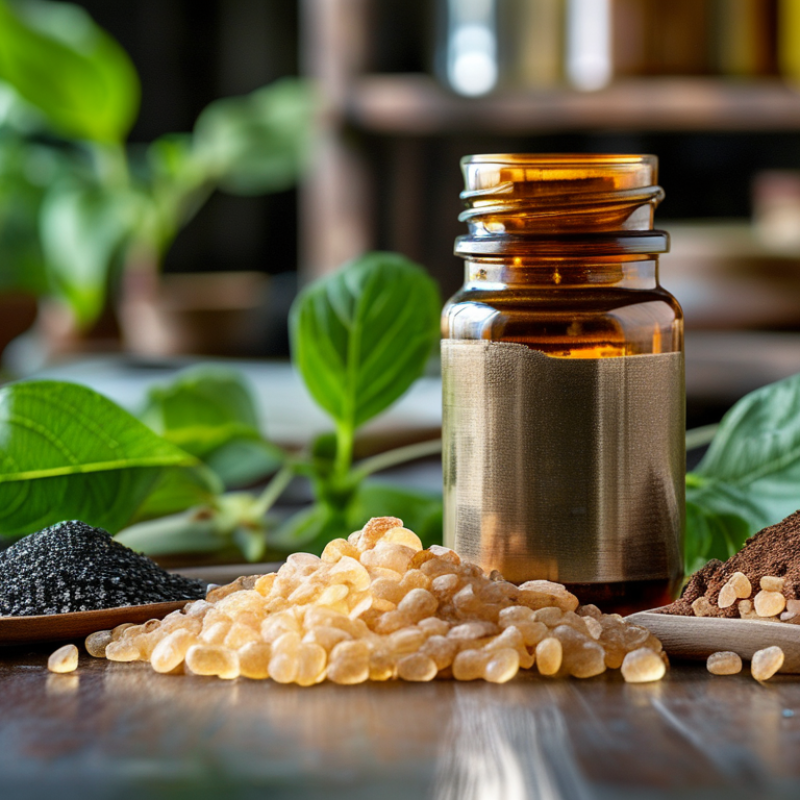
Understanding the Importance of Organic Iron in Business Applications
Organic iron plays a crucial role in various business applications. It is vital for industries like agriculture, food production, and dietary supplements. Understanding its importance can enhance product quality and safety. In agriculture, organic iron contributes to plant health. It helps in the formation of chlorophyll, improving photosynthesis. Healthy plants can lead to higher crop yields and better quality produce.
In food production, organic iron enhances nutritional content. It is essential for the creation of iron-rich foods. These foods meet consumer demand for healthier options. Businesses gain a competitive edge when they offer nutritious products. However, sourcing organic iron is not straightforward. Companies must ensure that their suppliers adhere to strict organic standards. This can be a challenge in a market that often prioritizes profit over quality.
Sustainability is another concern. The extraction of iron can impact the environment. Companies need to carefully assess their sourcing methods. It's essential to strike a balance between obtaining quality materials and protecting natural resources. Conversations around organic iron must consider both its benefits and potential drawbacks. The journey to sourcing organic iron demands diligence and a commitment to ethical practices.
How to Source Organic Iron for Your Business Needs? - Understanding the Importance of Organic Iron in Business Applications
| Source Type |
Organic Iron Type |
Benefits |
Typical Usage |
| Natural Plants |
Ferrous Fumarate |
High bioavailability |
Nutritional Supplements |
| Mineral Deposits |
Iron Chelate |
Improves soil quality |
Agriculture |
| Biofermentation |
Liquid Iron |
Easily absorbable |
Food Industry |
| Animal Sources |
Heme Iron |
Supports energy levels |
Dietary Products |
| Recycling |
Spent Iron |
Cost-effective |
Manufacturing |
Identifying Reliable Sources of Organic Iron for Procurement
Finding reliable sources of organic iron is critical for businesses looking to use this essential nutrient. Organic iron is gaining popularity in various industries, especially in agriculture and food production. According to a report by the International Fertilizer Association, the demand for organic iron compounds has increased by approximately 10% annually. This growth emphasizes the need for careful procurement processes.
When sourcing organic iron, consider suppliers that prioritize transparency and sustainability. Certification from credible organizations can be a good indicator of reliability. Look for providers who share their sourcing methods. The European Commission’s Organic Regulation outlines strict standards for organic inputs, making certified suppliers more trustworthy. Verify whether they comply with local regulations and industry standards.
Understanding the market landscape is also vital. Research shows that organic iron is often extracted from plant sources. This method generally ensures higher bioavailability compared to synthetic options. However, some products may undergo processes that compromise nutrient integrity. Scrutinizing supplier claims is essential. Many companies tout their organic credentials without sufficient evidence. As a buyer, being vigilant about these details can save resources and enhance product quality.
Evaluating Quality Standards for Organic Iron Suppliers
When sourcing organic iron, evaluating quality standards is critical. Focus on suppliers who provide transparency in their sourcing practices. Materials should be derived from organic farming methods to ensure safety and sustainability. This is vital for building consumer trust and meeting ethical standards.
Tips: Look for third-party certifications. They verify that the iron meets organic standards. These certifications enhance supplier credibility. Inspect lab reports to understand the iron’s purity and composition.
It's also wise to consider the supplier's reputation. Research their history in the industry and examine customer feedback. A supplier with a solid track record is usually a safer choice. However, not all feedback may be genuine, so approach reviews critically. Balancing cost and quality can be tricky. Sometimes, the cheapest option may compromise on important quality metrics. Prioritize those metrics that align with your business values.
Sustainable Practices in Sourcing Organic Iron
Sourcing organic iron requires commitment to sustainable practices. The organic iron market has seen significant growth, with a projected increase of 8% annually by 2025. This growth reflects a rising demand for eco-friendly products across various industries, from agriculture to health supplements.
Implementing sustainable sourcing strategies is essential. Field sourcing is one way to ensure organic iron meets ecological standards. By collaborating with certified organic farms, businesses can trace the origins of their materials. A report from the Sustainable Agriculture Research and Education (SARE) program indicates that 45% of organic inputs are often sourced locally, reducing carbon footprints and supporting local economies.
However, challenges persist in achieving full sustainability. One concern is the lack of standardized regulations for organic iron sourcing. Companies must invest time to understand regional laws and best practices. Continuous education on eco-friendly methods is crucial. Industry professionals advocate for transparency in sourcing. This ensures that consumers feel confident in their choices and fosters accountability within the supply chain.
Organic Iron Sourcing Trends Over the Last 5 Years
Building Long-Term Relationships with Organic Iron Vendors
Building long-term relationships with organic iron vendors is crucial for sustainable business growth. Trust forms the foundation of these partnerships. Establishing clear communication is vital for mutual understanding. Be transparent about your quality requirements and expectations. This clarity helps vendors align with your goals.
Engaging vendors regularly fosters mutual commitment. Schedule check-ins and provide constructive feedback. Consider visiting suppliers to strengthen personal connections. This face-to-face interaction can reveal valuable insights about their operations, while also providing opportunities for collaboration, such as sharing best practices or developing new products.
Remember that not every interaction will be perfect. Some vendors may struggle to meet demands or timelines. These challenges require patience and flexibility. Reflect on these situations to determine how to enhance your supply chain. Building strong relationships takes time and effort. Emphasizing collaboration can lead to better outcomes for both parties in the long run.