What is Organic Zinc and Its Benefits for Health?
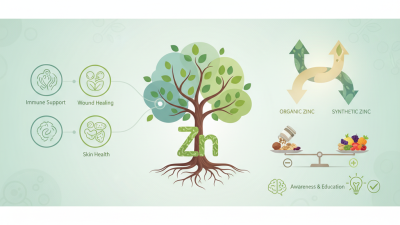
Organic zinc is a vital mineral that plays a significant role in maintaining our health. This trace element is found in various foods, including meats, seafood, and whole grains. Unlike synthetic forms, organic zinc is derived naturally from these sources, making it more accessible to our bodies. Its benefits are numerous and noteworthy.
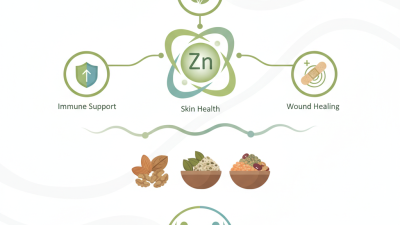
One of the key advantages of organic zinc is its ability to boost the immune system. By enhancing the function of immune cells, it helps our bodies combat infections more effectively. Additionally, organic zinc is crucial for skin health. It supports wound healing and can alleviate conditions like acne. Despite its many benefits, it's also essential to consider zinc intake carefully. Overconsumption can lead to toxicity, resulting in adverse health effects.
Incorporating organic zinc into a balanced diet can lead to overall well-being. However, individual needs may vary. Consulting with a healthcare professional can provide further guidance. This can optimize the benefits of organic zinc while minimizing potential drawbacks.
What is Organic Zinc?
Organic zinc is a vital mineral found in various foods and supplements. It plays a crucial role in numerous bodily functions. Unlike synthetic versions, organic zinc is derived from natural sources. This makes it easier for the body to absorb, promoting overall health efficiently.
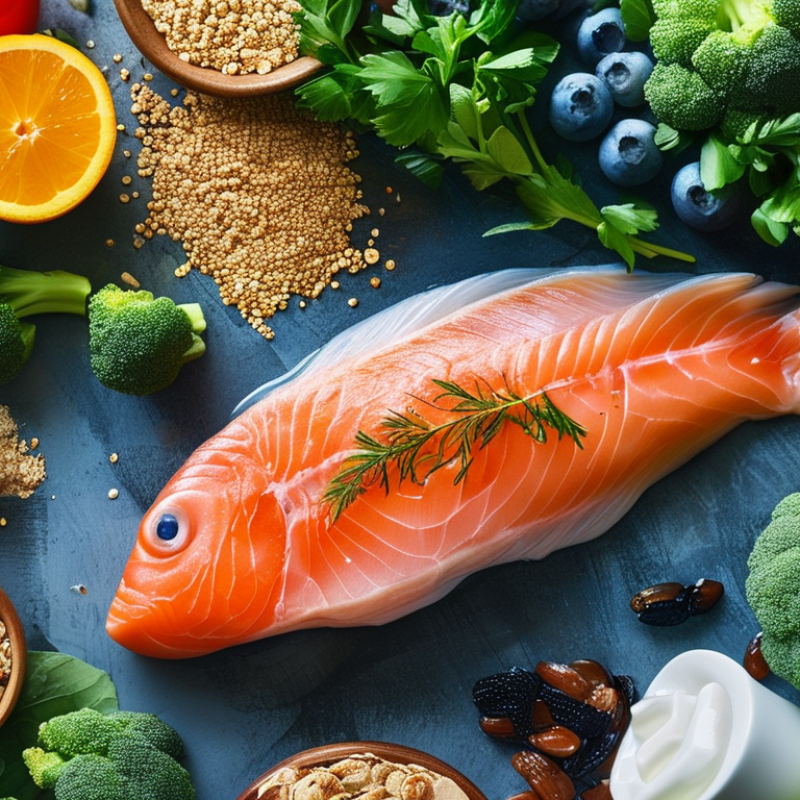
Zinc is essential for immune function, cell growth, and wound healing. A deficiency can lead to numerous health issues, such as weakened immunity and slower healing processes. Foods rich in organic zinc include nuts, seeds, and whole grains. These natural sources are often more bioavailable than their synthetic counterparts.
Despite its benefits, not everyone receives adequate zinc. Many individuals may overlook the importance of this mineral in their diet. This could lead to potential deficiencies over time. Considering a balanced approach to nutrition is crucial, yet implementing organic zinc can be a positive step. Incorporating these foods can enhance overall wellness and prevent health complications.
Sources of Organic Zinc in Nature
Organic zinc plays a crucial role in maintaining human health. It is abundant in various natural sources, which are often overlooked. Foods rich in organic zinc include
oysters, red meat, poultry, beans, nuts, and whole grains.
Oysters are particularly recognized for their high zinc content. A single serving can provide several times the daily recommended intake of zinc.
Plant-based sources are valuable too. Pumpkin seeds, chickpeas, and lentils are excellent choices for those following a vegetarian or vegan diet. Leafy green vegetables like spinach contain some zinc, though in smaller amounts.
Combining these foods can enhance zinc absorption, especially when consumed with vitamin C-rich foods.
Despite the benefits, many individuals still struggle to meet their zinc needs. This might stem from dietary preferences or restrictions.
It’s essential to acknowledge that relying solely on supplements may not be the best approach.
Whole food sources provide additional nutrients that supplements lack. Reflecting on dietary habits can help identify areas for improvement in zinc intake and overall nutrition.
Health Benefits of Organic Zinc for the Immune System
Organic zinc is a vital mineral that plays a significant role in supporting the immune system. This element is naturally sourced from plants, making it easier for the body to absorb. It promotes the development of immune cells and enhances their functionality. When you have sufficient zinc, your body can better fight off infections. Studies show that zinc deficiency can lead to increased susceptibility to illnesses.
Beyond immune support, organic zinc aids in wound healing. It facilitates cell division and growth, critical processes for recovery. Insufficient levels can slow down healing. You might notice that minor cuts take longer to mend if you lack zinc. This adds to the importance of maintaining healthy zinc levels through a balanced diet.
Moreover, organic zinc influences how your body fights inflammation. With the right amount of this mineral, your immune response can be more balanced. It helps manage oxidative stress, preventing damage to cells. Reflecting on your daily intake of organic zinc can be enlightening. Are you consuming enough? Regularly incorporate zinc-rich foods to support your immunity effectively.
Role of Organic Zinc in Skin Health and Healing
Organic zinc plays a vital role in promoting skin health. Zinc is an essential mineral that supports numerous biological functions, including skin repair. A study published by the Journal of Clinical Dermatology noted that zinc deficiency can lead to various skin issues, including delayed wound healing and increased susceptibility to infections. Ensuring adequate zinc levels may help mitigate these risks.
Additionally, research shows that organic forms of zinc are better absorbed by the body. Enhanced absorption can directly influence skin conditions like acne and eczema. A report from the American Journal of Nutrition highlighted that oral zinc supplementation improved acne in over 50% of participants within eight weeks. This suggests that organic zinc not only aids in healing but also maintains healthy skin.
Zinc’s anti-inflammatory properties are noteworthy as well. It helps regulate the production of sebum, an oily substance that can clog pores. However, individual responses to zinc can vary significantly. While many find relief from skin problems, others might not experience the same benefits. Continual research is necessary to fully understand zinc's effectiveness. Implementing organic zinc into one’s diet is a step towards healthier skin, but results may not be universal.
Recommended Dosages and Safety Considerations for Organic Zinc
Organic zinc plays a vital role in human health. It is essential for immune function and cellular repair. However, determining the right dosage is key to maximizing its benefits. For most adults, a daily dosage of 15-30 mg is often recommended. This range allows for adequate absorption without the risk of overconsumption.
Safety is a critical factor when considering organic zinc supplements. Taking more than 40 mg per day can lead to adverse effects. Symptoms like nausea, vomiting, or even impaired immune response may occur. It's important to note that individual tolerance varies. Some people may experience gastrointestinal upset even at lower doses. Always consult a healthcare professional before starting any new supplement regimen.
What is Organic Zinc and Its Benefits for Health? - Recommended Dosages and Safety Considerations for Organic Zinc
| Benefit |
Description |
Recommended Daily Dosage |
Safety Considerations |
| Immune Support |
Zinc plays a crucial role in the immune system, enhancing the body's ability to fight infections. |
11 mg for men, 8 mg for women |
Excessive intake can lead to toxicity. |
| Wound Healing |
Zinc is necessary for skin health and the healing of wounds. |
11 mg for men, 8 mg for women |
Should not be used in high doses without medical supervision. |
| Antioxidant Activity |
Zinc helps protect cells from oxidative stress and damage. |
11 mg for men, 8 mg for women |
Consult a doctor before starting supplements. |
| Cognitive Function |
Essential for brain health and cognitive performance, especially in aging populations. |
11 mg for men, 8 mg for women |
High doses can interfere with copper absorption. |
| Hormonal Balance |
Supports hormone production and regulation, including testosterone. |
11 mg for men, 8 mg for women |
Too much zinc can lead to hormonal imbalances. |