2026 How to Source Organic Zinc for Global Buyers?
In recent years, the demand for organic zinc has surged among global buyers. This rise reflects a growing awareness of health and nutrition. Organic zinc is vital for various industries, especially in the realm of dietary supplements and agricultural products. Sourcing quality organic zinc can be challenging, but understanding the market dynamics can significantly ease this process.
Buyers must consider key factors when sourcing organic zinc. Reliable suppliers focus on sustainability and transparency. It's important to prioritize suppliers with strong ethical practices. Knowing the origin of organic zinc enhances trust and ensures compliance with health standards. However, not all suppliers adhere to these standards, leading to potential quality issues.
Navigating the sourcing landscape requires diligence. Researching potential vendors and certifications is essential. Buyers should also engage with industry experts to gain insights. This quest for organic zinc does not come without challenges, but the benefits of securing quality sources can outweigh the effort. The journey is complex, yet rewarding for those committed to excellence.

Understanding Organic Zinc: Properties and Benefits
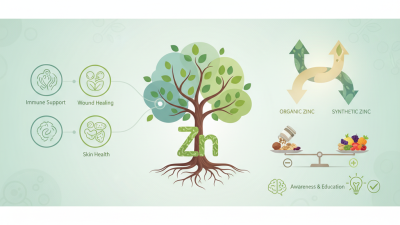
Organic zinc is an essential trace mineral, crucial for human health. It supports immune function and aids in protein synthesis. Many people lack adequate zinc in their diets. This deficiency can lead to various health issues, including growth impairments and weakened immunity. Understanding the benefits of organic zinc is vital for global buyers considering its sourcing.
Organic zinc comes from natural sources, such as plant-based foods. It is often more bioavailable than its inorganic counterparts. This means the body can absorb and utilize it more effectively. Organic zinc contributes to digestive health and skin integrity. It also promotes wound healing and improves cognitive function. Incorporating organic zinc into the diet can enhance overall well-being.
However, sourcing organic zinc isn't always straightforward. The market can be saturated with low-quality products posing as organic. Buyers need to thoroughly vet suppliers for authenticity. Certifications and sourcing transparency are key factors to consider. Some products may claim to be organic but fail in quality. This requires careful research and due diligence to ensure the best outcomes.
Global Organic Zinc Demand by Region (2023)
Identifying Global Markets for Organic Zinc Sourcing
Sourcing organic zinc is gaining traction among global buyers. Understanding target markets is crucial for effective sourcing. The global organic zinc market is projected to grow at a CAGR of 4.5% from 2023 to 2030, reaching a value of approximately $1.2 billion by 2030, according to a recent report by Market Research Future.
The primary markets to consider include North America, Europe, and Asia-Pacific. In North America, the rising trend of organic farming is a significant driver. The organic food market in the U.S. alone hit $56.4 billion in 2020, emphasizing the demand for organic inputs like zinc. Meanwhile, Europe’s stringent regulations on fertilizers are also influencing the sourcing of organic materials. Countries such as Germany and France exhibit high demand for organic-certified products. Asia-Pacific is emerging, with countries like India increasing their organic farming practices.
Tips for sourcing: Build relationships with certified organic farms. They can provide insight into sustainable practices. Look for verifiable certifications to ensure compliance with standards. Stay updated with trade shows and industry conferences to connect with suppliers. Networking within industry circles is essential.
A challenge exists in verifying the quality and sourcing transparency of organic zinc. Without adequate documentation, discerning genuine organic products becomes tricky. Regular audits and third-party certifications can help mitigate this risk. Understanding regional regulations is necessary to ensure compliance and quality in sourcing organic zinc.
2026 How to Source Organic Zinc for Global Buyers? - Identifying Global Markets for Organic Zinc Sourcing
| Region |
Market Size (USD Million) |
Growth Rate (%) |
Source Types |
Key Applications |
| North America |
250 |
5.2 |
Zinc Oxide, Zinc Sulfate |
Healthcare, Agriculture |
| Europe |
300 |
4.7 |
Zinc Citrate, Zinc Acetate |
Food Supplements, Fertilizers |
| Asia-Pacific |
450 |
6.5 |
Organic Zinc Chelates |
Animal Feed, Cosmetics |
| Latin America |
150 |
3.4 |
Zinc Sulfate, Zinc Oxide |
Agriculture, Dietary Supplements |
| Middle East and Africa |
200 |
4.0 |
Zinc Citrate, Organic Zinc |
Agriculture, Personal Care |
Key Criteria for Selecting Organic Zinc Suppliers
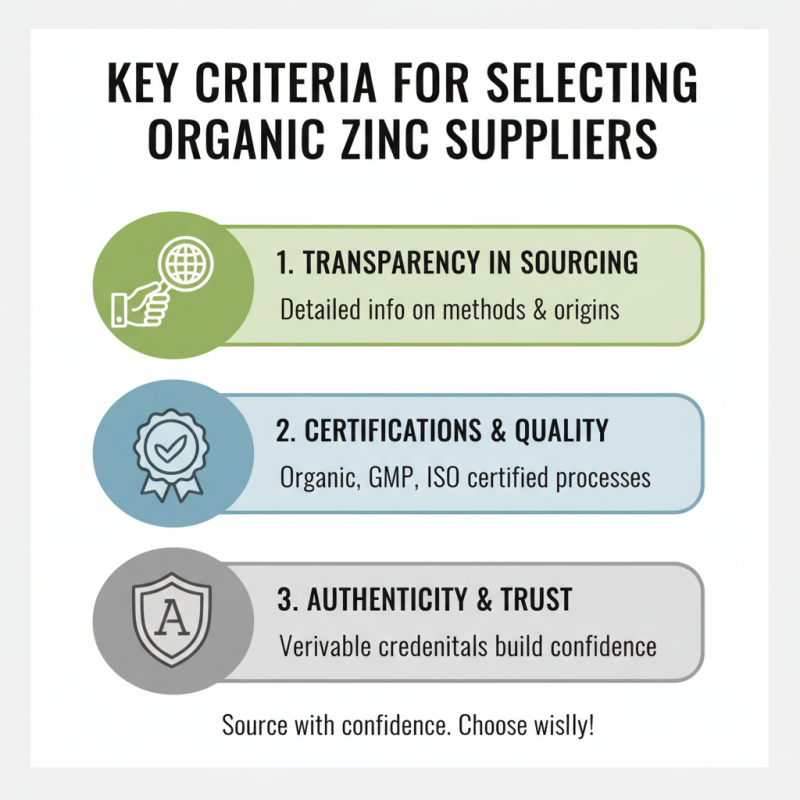
When sourcing organic zinc, selecting the right supplier is crucial. A reliable supplier should demonstrate transparency in their sourcing practices. This includes providing detailed information about their production methods and certifications. Look for suppliers who can show organic certifications and quality assurance processes. Authenticity matters. Without proper credentials, it's difficult to trust the claims made.
Product quality is another key factor. Request samples to evaluate the zinc's texture, purity, and overall characteristics. Compare these samples against industry standards. A supplier who provides consistent quality will minimize risks for global buyers. Consider their supply chain as well. Suppliers with a well-organized logistics plan can ensure timely deliveries, mitigating delays in your operations.
Communication plays a vital role, too. A responsive supplier helps build a trustworthy relationship. Pay attention to their willingness to address your concerns and questions. This aspect can affect the long-term collaboration between you and the supplier. Reflect on past experiences with suppliers. Were they reliable? Did they meet your expectations? These reflections can guide your decision-making process in finding the best organic zinc source.
Evaluating Quality Standards and Certifications for Organic Zinc
When sourcing organic zinc, quality standards and certifications play a vital role. According to a report by the Organic Trade Association, nearly 60% of consumers are more likely to buy products with certified organic labels. This statistic underscores the importance of ensuring that suppliers adhere to rigorous quality standards. Buyers need to evaluate certifications such as USDA Organic, Non-GMO Project Verified, and others relevant to the region.
In addition to certifications, buyers should assess the sourcing practices of suppliers. Transparency in the supply chain is crucial. A study published in the Journal of Agricultural and Food Chemistry highlights that organic zinc can vary in potency based on cultivation methods. Research shows inconsistent levels, which can impact efficacy in supplements and food fortification. Therefore, buyers should request documentation that verifies the quality and sourcing methods of organic zinc products.
Moreover, understanding the testing protocols is essential. Independent lab testing can validate the claims made by suppliers. Unfortunately, not all suppliers engage in thorough testing. This discrepancy can lead to quality variations, posing challenges for buyers. Engaging in detailed discussions with suppliers about their testing processes can help buyers make informed decisions about their organic zinc sources.
Strategies for Successful Negotiation and Purchasing of Organic Zinc
Negotiating for organic zinc can be complex. It requires a clear understanding of market dynamics and sourcing strategies. Buyers should start by researching potential suppliers. Focus on those with a proven track record in organic minerals. Check reviews and gather references. This helps build a foundation of trust.
When negotiating, be transparent about your needs. Clearly define quality standards and delivery timelines. Open communication fosters better relationships. It’s essential to discuss pricing structures upfront. Expect some back-and-forth. Being prepared for these discussions can lead to better deals. Sometimes, suppliers may offer incentives for larger orders. This can be a win-win situation.
Monitoring market trends is also crucial. Keep an eye on fluctuations in demand and supply. Prices can change rapidly. Reflect on past negotiations to improve your strategy. Analyze what worked and what didn’t. Continuous learning is vital in this business landscape. Success often comes from adapting to new information and being flexible.