Copper Glycinate Benefits and Top Tips for Global Buyers?
Copper Glycinate has gained significant attention in recent years. As a well-absorbed source of copper, it is essential for various bodily functions. Dr. Sarah Johnson, a leading expert in dietary supplements, emphasizes its importance by stating, "Copper Glycinate supports not only metabolic health but also enhances immune function."
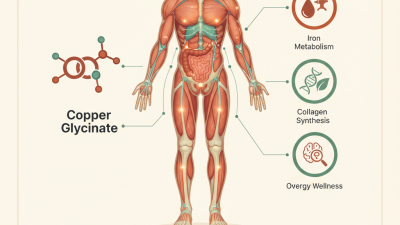
When exploring the benefits of Copper Glycinate, it's vital to understand its role in collagen formation and iron absorption. Many global buyers seek its advantages for both health supplements and functional foods. However, the quality and sourcing of Copper Glycinate can vary widely. It's crucial for buyers to research manufacturers thoroughly and ensure they are choosing reliable sources.
Despite its benefits, there are challenges. Not every product on the market meets the highest standards. Inadequate transparency in ingredient sourcing may lead to potential health risks. Buyers must remain vigilant and informed, making choices based on rigorous evaluations. Understanding these nuances in the Copper Glycinate market will help buyers make better, well-informed decisions.

Benefits of Copper Glycinate: A Comprehensive Overview
Copper glycinate is gaining popularity for its diverse health benefits. This compound is a chelated form of copper, providing better absorption in the body. It plays a crucial role in enzymatic reactions and supports collagen synthesis. Many individuals seek it for its potential to enhance skin health and boost energy levels.
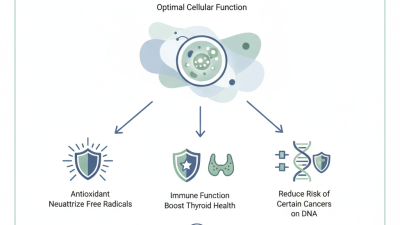
The antioxidant properties of copper glycinate are noteworthy. Antioxidants help combat oxidative stress, which can lead to chronic diseases. By neutralizing free radicals, copper glycinate may support overall health. Additionally, it aids in iron absorption, which is vital for maintaining healthy blood levels. This can be especially important for those who engage in regular physical activity.
For buyers interested in copper glycinate, sourcing quality products is key. Be aware of sourcing practices and ensure products are tested for purity. Not all copper supplements are equal; understanding the form and dosage is essential. Some may even require dietary changes to maximize benefits. Observing personal reactions is crucial, as individual responses can vary. Keeping a close eye on health changes after incorporating it is advisable.
Understanding the Role of Copper in Human Health
Copper plays a vital role in human health. It is essential for producing red blood cells and maintaining healthy bones. Copper also supports the immune system and aids in iron absorption. Deficiency can lead to anemia and weakened bones. Ensuring adequate copper intake is crucial.
For buyers seeking copper glycinate, consider these tips. First, look for high-quality sources. Not all supplements are the same. A reliable supplier ensures purity and effective dosage. Second, consult with a healthcare professional before starting any new supplement. This can help prevent interactions with other medications.
Lastly, remember that diet is a primary source of copper. Incorporate foods like shellfish, nuts, and seeds into your meals. This approach can enhance your overall well-being. Balancing diet and supplements is key to maximizing health benefits.
Copper Glycinate Benefits and Top Tips for Global Buyers
| Benefit |
Description |
Recommended Dosage |
Additional Tip |
| Supports Immune Function |
Copper plays a vital role in maintaining a healthy immune system. |
1-3 mg per day |
Consider pairing with Vitamin C for enhanced effects. |
| Enhances Bone Health |
Copper is essential for bone formation and maintenance. |
2 mg per day |
Combine with calcium and vitamin D for better results. |
| Promotes Healthy Skin |
Copper contributes to collagen production, vital for skin elasticity. |
0.9 mg per day |
Consider topical applications for direct benefits. |
| Boosts Energy Levels |
Copper is involved in iron metabolism, affecting energy production. |
1-2 mg per day |
Stay hydrated and maintain a balanced diet for optimal energy. |
Key Advantages of Copper Glycinate Over Other Supplements
Copper glycinate offers unique advantages over traditional supplements. This chelated form of copper is easier for the body to absorb. Unlike many other forms, it is gentle on the stomach. Copper glycinate does not usually cause gastrointestinal distress, which is common with other types of supplements. This makes it a preferred choice for sensitive individuals.
One key benefit is its role in collagen formation. Copper is crucial for maintaining healthy skin and connective tissues. Regular intake may help improve skin elasticity and overall appearance. Additionally, copper glycinate supports immune function and aids in iron absorption. This can be particularly beneficial for those with deficiencies.
However, not all users may experience these benefits equally. Individual responses can vary based on diet, lifestyle, and overall health. It's essential to evaluate how copper glycinate fits into one’s wellness routine. Some users may need to adjust dosages or combine it with other nutrients for optimal results. Seeking professional guidance is wise before making significant changes to your supplement regime.
Top Tips for Sourcing Quality Copper Glycinate for Global Buyers
Sourcing quality copper glycinate requires careful consideration from global buyers. Start by verifying the supplier’s credibility. Look for manufacturers or distributors with established reputations in the industry. Check customer reviews or testimonials to gauge their reliability. Authentic certifications can also indicate a high-quality product.
When examining copper glycinate, focus on its purity and concentration. Quality testing results should be accessible. It’s wise to ask for a certificate of analysis. Such documents confirm the product meets specified standards. Be cautious of unusually low prices that can signal inferior quality.
Understand the regulations surrounding copper glycinate in your region. Compliance with local safety standards is essential. Misunderstandings about regulations can lead to issues. Keep abreast of market trends and price fluctuations. This knowledge will empower informed purchasing decisions. Consider the sustainability practices of suppliers as well. Responsible sourcing is becoming increasingly vital for businesses today.
Potential Side Effects and Considerations for Copper Glycinate Use
Copper glycinate is gaining attention for its potential health benefits. However, users should be aware of possible side effects. Common reactions may include gastrointestinal upset, such as nausea or diarrhea. Some people might experience headaches or fatigue. These effects can vary between individuals.
It is important to consult a healthcare professional before starting any supplement. This ensures that copper glycinate is appropriate for you, particularly if you have underlying health conditions. Pregnant or breastfeeding women should be especially cautious. Keeping track of your body’s response can help identify any adverse effects early on.
Additionally, excessive copper intake can lead to toxicity. Symptoms of copper toxicity include abdominal pain, mental confusion, and even organ damage. Regular monitoring and responsible usage are crucial. Remember, while copper glycinate may be beneficial, it requires careful consideration.