How to Use Cobalt Sulphate for Plant Growth and Health?
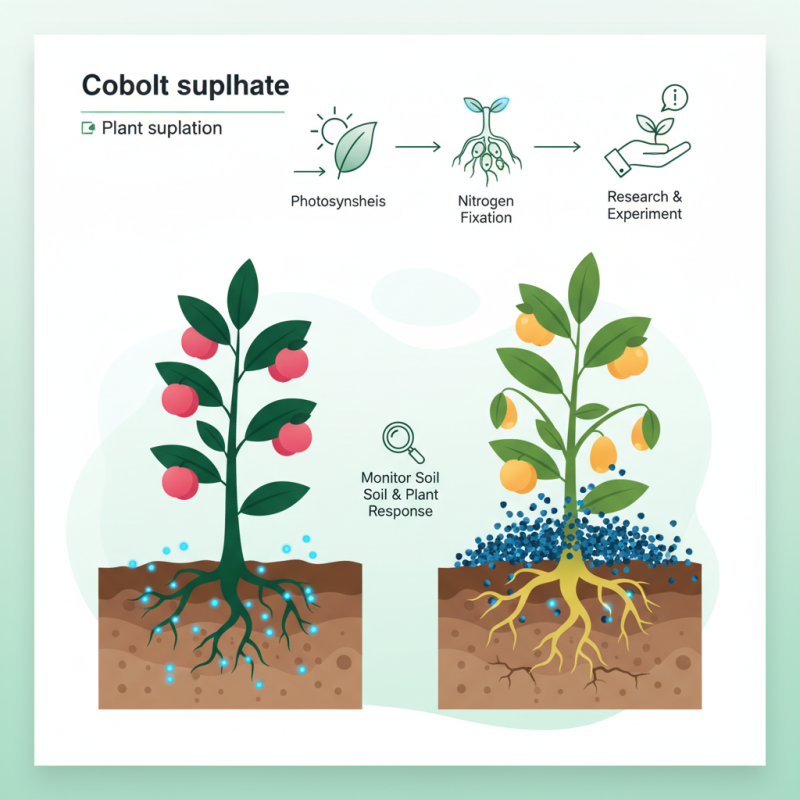
Cobalt sulphate plays a significant role in enhancing plant growth and health. It is a vital source of cobalt, an essential micronutrient for plants. This compound helps in various physiological processes, such as photosynthesis and nitrogen fixation. Many growers have noticed improved crop yields after using cobalt sulphate.
However, it is essential to use cobalt sulphate wisely. Overapplication can lead to nutrient imbalances and toxicity in plants. Monitoring the soil and plant response is crucial. Understanding the specific needs of your plants can greatly impact their development.
Incorporating cobalt sulphate into your gardening routine might seem straightforward. Yet, many gardeners often overlook the proper application techniques. Taking time to research and experiment can lead to better results. The journey of growing healthy plants requires both attention and patience.
Understanding Cobalt Sulphate and Its Role in Plant Growth
Cobalt sulphate is essential for plant health. This compound contains cobalt, a trace element vital for several physiological processes. According to research, cobalt affects enzyme activity and nitrogen fixation in plants. Healthy crops often require precise amounts of cobalt. However, too much can be harmful.
Farmers should be cautious when using cobalt sulphate. Soil tests are essential to determine cobalt levels. Excessive use can lead to toxicity. Studies show that optimal cobalt concentration varies by plant type. For instance, legumes may need higher levels than cereals. However, there is a growing concern about the balance.
In agriculture, cobalt can enhance crop yield, but reliance on it without proper knowledge can be risky. Farmers often focus on macronutrients, neglecting micronutrients like cobalt. This oversight can lead to deficiencies. Balancing all nutrients in the soil is crucial for sustainable farming practices. Plants may show stunted growth without adequate cobalt.
Benefits of Cobalt Sulphate for Plant Health and Development
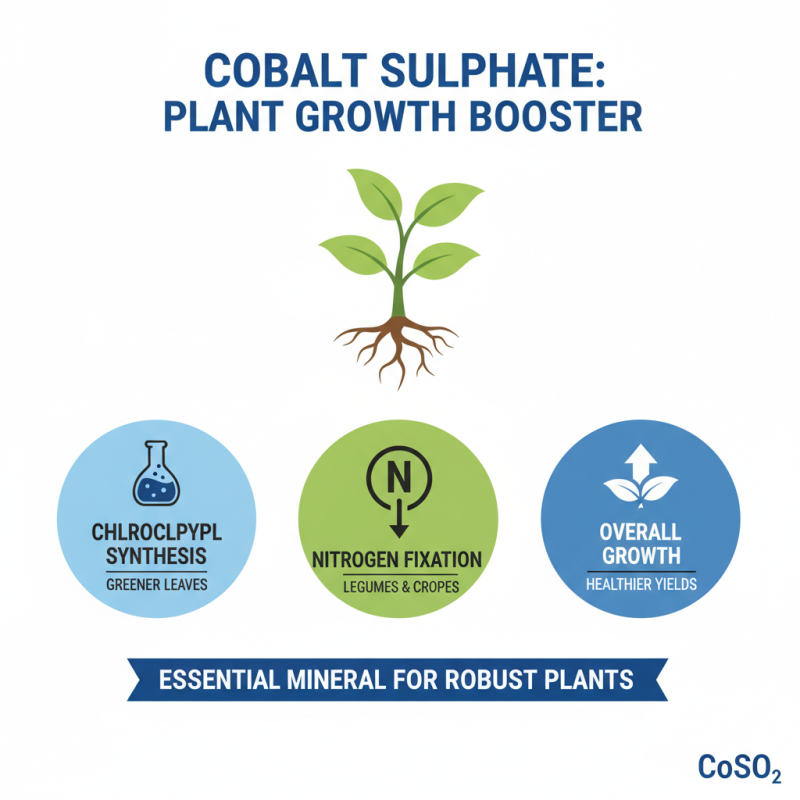
Cobalt sulphate is a valuable element in plant growth. It plays a crucial role in chlorophyll synthesis. Healthy plants often require this essential mineral. Cobalt aids in nitrogen fixation, benefiting legumes and other crops. It supports overall growth, leading to healthier yields.
The inclusion of cobalt can enhance enzyme activity. This boosts metabolism in plants. However, the proper dosage is vital. Too much cobalt can be harmful. Symptoms may include leaf discoloration and stunted growth. Farmers should take care to monitor plant responses. Adjustments may be necessary to find the right balance.
Using cobalt sulphate can lead to improved soil health. It promotes microbial activity, enhancing nutrient availability. However, it’s essential to use it wisely. Over-reliance on any supplement can create negative effects. Regular soil testing can help maintain a balanced nutrient profile. Observing plant behavior can guide adjustments in application.
Application Methods for Cobalt Sulphate in Agriculture
Cobalt sulphate plays a vital role in plant health, particularly in nutrient absorption. It can enhance root development and promote strong growth. Applying this compound involves clear methods tailored to specific plant needs.
One effective method is foliar application. This allows plants to absorb nutrients directly through their leaves. Mix cobalt sulphate with water to create a solution. Spray during the early morning or late afternoon for best results.
Another technique is soil application, where cobalt is mixed into the soil before planting. This method supports long-term nutrient availability.
However, caution is needed. Over-application can lead to toxicity in plants. Monitoring soil and plant health can prevent this issue. Striking a balance is essential for optimal growth. Always consider local soil conditions and plant requirements. Adjusting the approach based on observation can yield better results.
Optimal Dosages and Concentrations of Cobalt Sulphate for Plants
Cobalt sulphate is important for plant health. Its optimal dosage varies based on plant type and growth stage. Generally, a concentration between 0.1% to 0.5% is recommended for most crops. Too much cobalt can harm plants, leading to stunted growth or toxicity. Always measure carefully when preparing your solution.
To apply cobalt sulphate, mix it with water. Ensure it is evenly distributed for even nutrient absorption. A foliar spray can be effective. However, the timing of application matters. Early morning or late afternoon is ideal. Monitor your plants closely after treatment. Look for signs of improvement or distress. Adjust the concentration if necessary.
Using cobalt in soil is different. It can accumulate over time, potentially affecting soil health. Regular soil testing helps maintain balance. Consider potential interactions with other soil nutrients. If uncertain, consulting with experts can save you trouble later. Experimentation is key, as results can vary.
How to Use Cobalt Sulphate for Plant Growth and Health? - Optimal Dosages and Concentrations of Cobalt Sulphate for Plants
| Plant Type |
Cobalt Sulphate Dosage (mg/L) |
Application Method |
Benefits |
| Corn |
0.5 - 1.0 |
Soil Application, Foliar Spray |
Enhances growth and improves yield |
| Wheat |
0.2 - 0.5 |
Soil Application |
Promotes root development |
| Soybean |
0.3 - 0.7 |
Foliar Spray |
Improves nitrogen fixation |
| Tomato |
0.4 - 0.8 |
Soil Application, Foliar Spray |
Enhances fruit quality and size |
| Rice |
0.2 - 0.6 |
Soil Application |
Increases stress tolerance |
Safety Considerations and Environmental Impact of Cobalt Sulphate Use
Cobalt sulphate, often used to enhance plant growth, raises significant safety concerns. While it aids chlorophyll formation, excessive use may lead to soil toxicity. Reports show that high cobalt levels can impair plant health, affecting root systems negatively. Proper management is crucial.
When using cobalt sulphate, consider local guidelines. Limit application rates to avoid environmental harm. Research indicates that optimum cobalt levels should not exceed 0.1 mg/kg for most crops. Regular soil testing helps prevent overaccumulation of cobalt. This protects both plants and soil organisms.
**Tip:** Always wear protective gear when handling cobalt sulphate. Keep it away from water sources. After application, monitor your plants closely for any adverse effects. Remember, balance is key to sustainable plant health.
Impact of Cobalt Sulphate on Plant Growth
This chart illustrates the effect of different concentrations of Cobalt Sulphate on plant height. As indicated, there is a noticeable enhancement in plant growth at low to medium cobalt levels, whereas high concentrations may lead to a decline in growth, highlighting the importance of balancing nutrient use for optimal plant health.