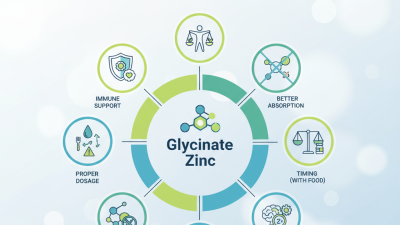
How to Choose a Reliable Glycinate Zinc Supplier?
Choosing a reliable Glycinate zinc supplier requires more than comparing prices or reading polished website claims. Zinc glycinate should be evaluated as a complete ingredient, from raw material identity to final packaging. A trustworthy supplier can explain the chelation process, provide the elemental zinc percentage, and show consistent batch documentation. The label may say “high purity,” but evidence matters more.
Bruce N. Ames, a leading micronutrient researcher, stated, “The optimum intake of micronutrients is the amount that maximizes healthspan, not just lifespan.” This principle also matters when selecting Glycinate zinc. A supplier should provide current certificates of analysis, testing for heavy metals, microbial contamination, moisture, and unwanted impurities. Independent laboratory verification adds credibility. GMP certification, traceability records, stable lead times, and responsive technical support also reveal operational maturity.
Look closely.
Ask for a representative sample, not only a brochure. Compare its color, flow, odor, solubility, and assay results with the specification. Confirm whether the quoted zinc level refers to the compound or elemental zinc. That small detail can change a formulation significantly. It is easy to overlook.
A reliable supplier should also discuss storage conditions, shelf life, packaging barriers, and batch-to-batch variation. No supplier is perfect, and no certificate replaces thoughtful verification. Still, transparent answers usually separate a dependable partner from a trader with limited technical control. This guide examines practical questions, warning signs, and evidence-based checks before purchasing Glycinate zinc for supplements, food applications, or professional formulations.

What Is Zinc Glycinate and Why Supplier Reliability Matters?
Zinc glycinate is a chelated mineral formed when zinc binds with glycine, an amino acid. This structure is commonly chosen for its gentle handling and practical use in supplements. It may be easier to tolerate than some basic zinc salts, although individual responses differ. That detail matters. A supplier should explain the material clearly, including elemental zinc content, not only the total compound weight.
Supplier reliability affects product safety, consistency, and manufacturing decisions. I would request a current certificate of analysis for every batch, not a generic document from years ago. The report should identify zinc content, purity, microbial limits, heavy metals, and testing methods. Traceability is essential. Each lot should connect to raw-material records, production dates, and storage conditions. Independent laboratory verification can strengthen confidence, especially when results appear unusually perfect.
A dependable supplier also follows documented quality systems and communicates openly when specifications change. Ask for samples, stability information, allergen statements, and evidence of controlled manufacturing practices. Speak with the technical team, not only a sales representative. Their answers often reveal practical experience. Still, paperwork is not proof by itself. I once treated a polished certificate as sufficient, but later realized that test dates and laboratory details deserved closer review. Reliability requires repeated checks, clear records, and a willingness to question convenient answers.
Which Supplier Qualifications Should Buyers Verify?
How to Choose a Reliable Glycinate Zinc Supplier?
Which Supplier Qualifications Should Buyers Verify?
A reliable supplier should provide clear qualification records before discussing price. Verify a current manufacturing license and documented GMP procedures. ISO 9001 certification can support quality management, but it is not enough alone. Ask for the certificate’s scope, issuing body, and expiration date. Check whether it covers the actual production site.
Request a recent Certificate of Analysis for each batch. It should identify elemental zinc content, glycinate identity, moisture, microbiological results, and heavy metal limits. Independent laboratory testing adds useful confidence. Look for laboratory accreditation and test methods, not only a passing statement. A sample may look perfect. Documents can still be incomplete.
Traceability matters during receiving and investigation. The supplier should connect raw materials, production records, packaging, and shipment numbers. Ask for retention-sample policies and written deviation procedures. I once reviewed a lot with correct packaging but unclear testing dates. That small gap delayed approval. It changed how I assess supplier files. I now compare documents against physical labels and delivery records. Buyers should also request an audit report or arrange a site audit when practical. Product specifications should address allergens, storage conditions, shelf life, and change notifications. Some suppliers provide impressive folders but answer technical questions vaguely. That is a warning. Reliable communication is a qualification too.
How to Assess Zinc Glycinate Quality and Testing Evidence?
A reliable zinc glycinate supplier should provide more than a polished certificate of analysis. During supplier reviews, I check whether the report matches the exact batch, production date, and packaging lot. Generic certificates raise questions. The report should identify zinc glycinate clearly and state the assay result, moisture level, and test methods.
Look for independent testing evidence. ICP-OES or ICP-MS can verify elemental zinc content with strong sensitivity. Tests for lead, arsenic, cadmium, and mercury are also important. Microbial analysis should fit the product’s intended use. Ask whether the laboratory is accredited and whether its scope covers these methods. A laboratory logo alone is not enough.
Sampling details matter. A supplier should explain how samples were collected, sealed, and transported. Stability data can show whether zinc content changes during storage. Traceability records should connect raw materials to the finished batch. I would also compare several batch reports, not just one convenient document. One report may look excellent by chance. I have found that supplier answers become less clear when questions involve retesting or failed results. That is not automatic proof of poor quality, but it deserves careful review. A strong supplier shares complete records, admits testing limits, and supports claims with current, batch-specific evidence.
How to Compare Pricing, Communication, and Supply Stability?
How to Choose a Reliable Glycinate Zinc Supplier?
Price comparisons should begin with the same specification. Check zinc content, purity, particle size, packaging, and testing requirements. A cheaper quote may exclude testing, documentation, or shipping. Request a clear cost breakdown, including minimum order quantities and payment terms. Compare delivered cost, not only the price per kilogram. Ask whether prices remain valid for thirty or ninety days. Raw material changes can affect the final offer.
Communication reveals how a supplier works under pressure. Ask for recent certificates of analysis, production lead times, and sample procedures. Reliable teams answer specific questions with specific evidence. Vague replies deserve attention. Test response speed before placing a large order. Send technical questions and request a written reply within an agreed timeframe. Keep records of promised dates and document versions. Small details matter.
Supply stability requires more than a full warehouse. Ask about production capacity, safety stock, backup raw material sources, and transport options. Confirm how the supplier handles delays, quality deviations, and specification changes. A written notification process is valuable. Visit the facility or arrange a qualified third-party audit when practical. One weakness remains: supplier statements are not always independently verified. I have seen buyers focus heavily on price and overlook inconsistent lead times. That mistake can interrupt production and create hidden costs. Use recent records, not confident promises, when judging reliability.
How to Choose a Reliable Glycinate Zinc Supplier?
How to compare pricing, communication, and supply stability
This procurement benchmark assigns the highest weight to supply stability because consistent production capacity, dependable lead times, and documented inventory planning directly affect long-term availability. Pricing should be assessed using the total delivered cost, while communication reflects response speed, specification accuracy, and transparency during order management. The percentages are a practical evaluation framework, not performance data from any specific company or brand.