What are the Benefits of Organic Copper for Global Buyers?
Organic copper is gaining traction in global markets. This surge stems from its ecological benefits and improved agricultural yields. With the organic food market projected to reach $272 billion by 2027, buyers are increasingly interested in sustainable practices. The organic copper segment aligns perfectly with this trend, promoting healthier crop production.
Various studies indicate that organic farming enhances soil quality. For instance, the USDA reports that organic agriculture can increase soil organic matter by 30%. Organic copper plays a vital role in this process by promoting vital enzyme functions. As a result, crops are more resilient against pests and diseases. Furthermore, the use of organic copper in farming can reduce the dependency on synthetic chemicals. This shift has implications for biodiversity and environmental health.
However, challenges remain. Not all organic copper products meet stringent regulatory standards. Buyers must carefully assess suppliers to ensure quality and authenticity. This scrutiny is essential in avoiding sub-par products. As organic copper continues to evolve, it offers both opportunities and pitfalls for global buyers. Understanding these dynamics can lead to informed decisions and successful outcomes.

Benefits of Organic Copper in Agricultural Applications: A Global Perspective
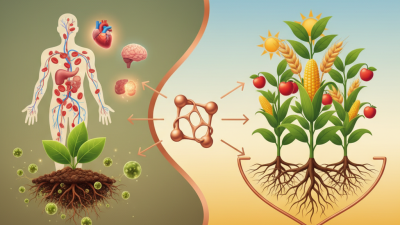
Organic copper plays a vital role in agriculture, providing numerous benefits to global buyers. This micro-nutrient enhances plant health and crop yield. Organic copper is essential for photosynthesis, respiration, and enzyme activity. Without adequate copper, crops may show stunted growth and lower resistance to diseases. Farmers often report improved plant vigor and quality when using organic copper.
Tips: Monitor soil nutrient levels regularly. Excessive use of copper can lead to toxicity. It’s crucial to find the right balance.
In addition to boosting crop health, organic copper supports sustainable farming practices. It is less harmful to the environment compared to synthetic alternatives. Its natural origin makes it an appealing choice for eco-conscious buyers. However, not all forms of organic copper are created equal. Buyers should seek out reliable sources that guarantee product quality.
Tips: Always check for certifications. Understanding the source can help in making informed decisions.
Farmers incorporating organic copper may face challenges in application. It requires careful planning, as over-application can do more harm than good. Regular testing and adjustments are necessary to align with plant needs. Striking the right balance is crucial for maximizing benefits while minimizing risks.
Environmental Advantages of Sourcing Organic Copper for Sustainable Practices
Sourcing organic copper presents distinct environmental advantages for global buyers. This material is often produced using methods that minimize harm to ecosystems. By prioritizing sustainable practices, buyers can significantly reduce their carbon footprint. Organic copper is mined with fewer toxic chemicals, leading to cleaner air and water. Soil health is also improved, fostering biodiversity in surrounding areas.
Another vital benefit is the support of local communities. Sourcing organic copper often means investing in ethical labor practices. This influences the economy positively, as workers receive fair wages. However, the challenge remains in ensuring that supply chains are transparent. Not all suppliers adhere to the same standards. Buyers need to engage in due diligence, evaluating certifications and production methods.
While the advantages are clear, challenges in sourcing organic copper cannot be ignored. Availability can be limited due to regulatory factors. Price variations exist compared to conventional copper, affecting budget considerations. Buyers must weigh these factors against the long-term benefits of sustainability. This reflection fosters a more thoughtful approach to procurement.
Economic Impacts of Organic Copper Trade on Global Supply Chains
The trade in organic copper significantly affects global supply chains. According to a recent report by the International Copper Study Group, the demand for organic copper is rising. In 2022, the global consumption increased by 15%, emphasizing its growing importance.
Economic impacts are profound. The price fluctuations often influence small-scale producers more than large corporations. For example, when prices rise, smaller manufacturers may struggle with procurement. This can create bottlenecks in supply chains, leading to delays in production and distribution. Moreover, the sustainability trend encourages investment in organic copper, but inconsistencies in production quality can cause skepticism among buyers.
Furthermore, the supply chain of organic copper often suffers from a lack of transparency. Many players still rely on traditional copper sources. This can lead to mixed quality, impacting end consumers. Reports indicate that around 30% of organic copper in circulation does not meet expected standards. This raises concerns about traceability and ethical sourcing. As the market evolves, stakeholders must address these challenges to ensure a stable and trustworthy supply chain.
Benefits of Organic Copper for Global Buyers
Health and Safety Enhancements for Consumers Using Organic Copper
Organic copper has emerged as a critical component in various industries, especially considering its health and safety benefits. Research indicates that organic copper forms are more bioavailable than their inorganic counterparts. This means that consumers can effectively absorb and utilize copper in their diets. According to a 2022 report from the International Copper Association, dietary intake of organic copper consistently supports immune function and enhances cardiovascular health.
The presence of organic copper in supplements has proven to reduce potential toxicity. A study published in the Journal of Nutritional Science found that consumers who use organic copper products report fewer side effects. This supports the assertion that organic forms are safer for regular use, aligning with the growing trend towards natural and less processed health products.
Tip: Always consult nutritional data. Look for reports that highlight the bioavailability of ingredients in your supplements.
Moreover, increased demand for organic copper reflects a shift in consumer preferences. As awareness grows about metal bioavailability and safety, buyers become more discerning. They prefer additives that are gentle on the body while maintaining efficacy. This focus on health enhances consumer trust in the products they choose.
Tip: Research brands and their sourcing. Transparency goes a long way in ensuring product safety.
Comparative Analysis: Organic Copper vs. Conventional Copper in Industry
The industrial landscape is evolving. Organic copper is gaining momentum as an alternative to conventional copper. This shift has far-reaching implications for global buyers.
Organic copper is derived from natural sources. It's less harmful to the environment compared to its conventional counterpart. The toxicity levels in organic copper are significantly lower. This aspect makes it safer for industries that prioritize sustainability. Moreover, organic copper often exhibits better bioavailability. This means that plants can absorb it more efficiently, leading to improved growth outcomes.
However, challenges remain. The production costs of organic copper can be higher. This may deter some buyers focused on cost-efficiency. Additionally, the supply chain for organic copper is not as established. This might result in periodic shortages. Buyers must weigh these factors carefully. The move towards organic copper is promising but not without its complications.