What Are the Benefits of Glycinate Copper for Global Buyers?
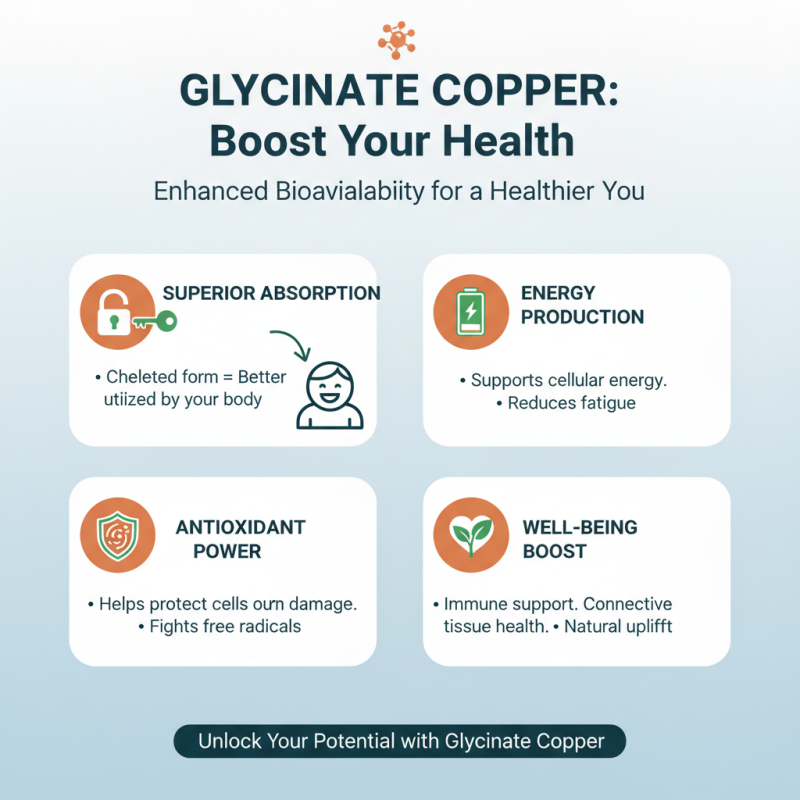
Glycinate copper is gaining traction in various industries due to its numerous benefits. As a chelated form of copper, it offers superior bioavailability compared to traditional copper supplements. Reports from industry experts indicate that the global copper supplements market is projected to reach USD 90 million by 2026, with increasing interest in natural and effective options.
Research highlights glycinate copper's potential in improving skin health, enhancing immunity, and supporting joint function. Studies show that copper plays a crucial role in collagen formation, crucial for skin elasticity. Additionally, many users have reported reduced inflammation and improved overall well-being after incorporating glycinate copper into their diet.
While the benefits are promising, the demographic factors influencing buyer decisions cannot be ignored. Some consumers may be cautious about trying new supplements due to past experiences with ineffective products. Thus, understanding the unique attributes of glycinate copper is essential in addressing buyer concerns and promoting its advantages in a growing market.

Benefits of Glycinate Copper for Health and Well-being
Glycinate copper is gaining attention for its potential health benefits. This chelated form of copper is known to be more bioavailable than other forms. It supports various bodily functions, including energy production and antioxidant activity. For those seeking a natural boost, glycinate copper might be an appealing option.
Incorporating glycinate copper into a diet can enhance overall well-being. Copper plays a role in collagen formation and iron absorption. These functions are crucial for maintaining skin elasticity and supporting healthy blood circulation. Many individuals report improvements in joint health and reduction in inflammation after regular intake.
It's essential to recognize individual differences in responses to supplements. While some may experience significant benefits, others might find little change. Consulting with a healthcare professional is advisable before adding new supplements. This ensures it aligns with one’s unique health profile. Being informed and reflective about choices is key to making the best decisions for personal health.
Role of Glycinate Copper in Essential Nutritional Support
Glycinate copper plays a vital role in providing essential nutritional support. This form of copper, bound to glycine, enhances absorption efficiency in the body. Studies indicate that glycinate copper may lead to increased bioavailability compared to other copper forms. Good absorption is crucial for numerous bodily functions, including energy production and immune support.
Copper is essential for the formation of red blood cells and the maintenance of nerve cells. According to research published in the American Journal of Clinical Nutrition, deficiencies can lead to significant health issues, including anemia and cardiovascular problems. Data shows that nearly 1 in 4 individuals globally may have inadequate copper levels in their diet. Thus, incorporating glycinate copper can help bridge this nutritional gap.
Tips: Consider varying your sources of copper. Nuts, seeds, and dark chocolate are rich in this mineral. However, supplementation should be done carefully. Overuse can lead to toxicity. Monitoring dietary intake is essential for optimal health. Always consult a healthcare professional to assess your specific needs safely. Making informed choices is key to effective nutrition.
Benefits of Glycinate Copper for Global Buyers
This bar chart illustrates the various benefits of Glycinate Copper as perceived by global buyers. Each bar represents the percentage impact of each benefit, showcasing Glycinate Copper's role in enhancing energy levels, immunity, osteoporosis prevention, cardiovascular health, and cognitive function.
Glycinate Copper and Its Impact on Joint and Bone Health
Glycinate copper is gaining attention for its role in joint and bone health. Copper, an essential trace mineral, plays a significant part in maintaining healthy connective tissues. Glycinate copper is a well-absorbed form of this mineral. This synergetic combination allows for better utilization in the body.
Research suggests that glycinate copper may help reduce inflammation in joints. By supporting collagen formation, it contributes to stronger bones and cartilage. This could be particularly beneficial for individuals dealing with arthritis or similar joint issues. The antioxidant properties of copper also help fend off oxidative stress, which can damage tissues.
It's important to note that not all individuals respond to supplements in the same way. Some may experience digestive discomfort. While the benefits are promising, consulting a healthcare provider is advisable. This can ensure proper dosage and avoid potential interactions with other medications.
Antioxidant Properties of Glycinate Copper for Cellular Protection
Glycinate copper has gained attention for its remarkable antioxidant properties. These properties play a vital role in cellular protection. Research shows that oxidative stress is a significant factor in various diseases. A report from the Journal of Nutritional Science indicates that copper ions can scavenge free radicals, reducing oxidative damage to cells.
Studies suggest that glycinate copper is highly bioavailable. This means our bodies can absorb it more effectively compared to other forms. A study published in the International Journal of Molecular Sciences found that it offers better antioxidant support. This support can help mitigate cellular aging and inflammation, both linked to chronic diseases.
However, not all research is conclusive. Some studies indicate varying levels of efficacy for different individuals. The optimal dosage for maximum benefit remains debated. Factors such as age, health status, and diet can influence results. An understanding of these nuances is crucial for global buyers considering glycinate copper as a supplement.
What Are the Benefits of Glycinate Copper for Global Buyers? - Antioxidant Properties of Glycinate Copper for Cellular Protection
| Benefit |
Description |
Target Uses |
Scientific Evidence |
| Antioxidant Activity |
Glycinate Copper exhibits strong antioxidant properties, protecting cells from oxidative stress. |
Nutritional supplements, skincare products |
Numerous studies demonstrate its efficacy in reducing reactive oxygen species. |
| Anti-inflammatory Effects |
May help reduce inflammation that contributes to chronic diseases. |
Health supplements, topical creams |
Research indicates its role in modulating inflammatory pathways. |
| Improved Skin Health |
Promotes collagen synthesis, enhancing skin elasticity and appearance. |
Cosmetics, anti-aging treatments |
Clinical trials support benefits for skin rejuvenation. |
| Enhanced Nutrient Absorption |
Facilitates better absorption of other essential minerals. |
Dietary supplements |
Studies show improved bioavailability of minerals when combined with glycinate. |
| Cellular Protection |
Protects against damage from environmental toxins and stressors. |
Functional foods, preventive health products |
Research highlights its role in cellular defense mechanisms. |
Market Demand and Trends for Glycinate Copper Among Global Buyers
Glycinate copper has gained popularity due to its nutritional and health benefits. As global buyers look for quality ingredients, the demand for this mineral compound rises. Glycinate copper is known for its bioavailability, making it easier for the body to absorb. This feature is particularly appealing for the dietary supplement industry, where effective absorption is crucial.
Market trends indicate an increasing preference for natural and plant-based supplements. Buyers are seeking alternatives to synthetic ingredients. Glycinate copper fits this trend well. It appeals to health-conscious consumers who prioritize quality. Additionally, industries such as cosmetics are exploring its potential for promoting skin health.
Despite its rising popularity, global buyers must consider sourcing challenges. Variability in supply and quality can be significant. It is essential to evaluate suppliers carefully. Transparency in sourcing helps build trust. Buyers need to be aware of potential risks and ensure that their selections are reliable. This reflection on sourcing practices is critical in navigating the market effectively.